Why Your Attic is Key to Home Comfort
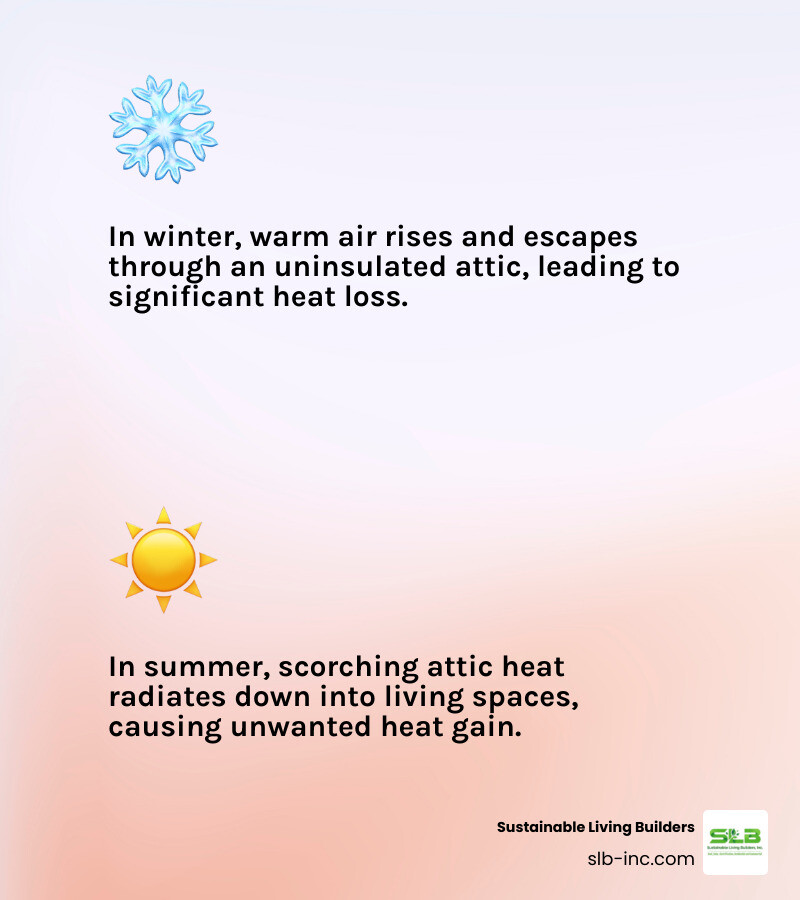
Best attic insulation is one of the most effective upgrades you can make to reduce energy bills and improve year-round comfort in your home. Most homes lose significant heat through poorly insulated attics in winter and gain unwanted heat in summer, forcing your HVAC system to work harder and wasting energy. The right insulation material creates a thermal envelope that keeps conditioned air inside where it belongs.
Quick Answer: Top Attic Insulation Types
- Spray Foam – Highest R-value per inch, superior air sealing, best overall performance
- Cellulose – Eco-friendly recycled material, excellent for filling gaps, performs well in cold
- Fiberglass (Batts/Blown-in) – Most affordable, DIY-friendly, widely available
- Mineral Wool – Fire-resistant, water-repellent, excellent soundproofing
- Rigid Foam Boards – High R-value in thin profile, good for specific applications
According to research, 90% of U.S. homes are under-insulated, and properly insulating your attic can save you an average of 15% on heating and cooling costs. The thermal envelope is your home’s shell that separates conditioned indoor spaces from the outside environment. When heat transfers through an under-insulated attic, your furnace or air conditioner runs constantly to compensate, driving up both energy consumption and your carbon footprint.
If you’re looking for comprehensive sustainable home improvements, learn more about the importance of sustainable insulation or get started with professional insulation services in Santa Rosa.
Understanding R-Value and Climate Needs
When shopping for best attic insulation, you’ll encounter the term “R-value.” It’s a straightforward concept crucial for choosing the right insulation.
What is R-Value?
R-value measures thermal resistance, or how well a material stops heat transfer. A thin T-shirt has a low R-value; a thick down jacket has a high one. The higher the number, the better your insulation keeps heat where you want it—inside during winter and outside during summer.
However, even high R-value insulation performs poorly if installed incorrectly, with gaps or compression. Proper installation is as crucial as the material itself.
Recommended R-values by Climate Zone
Your ideal attic R-value depends on where you live. In Santa Rosa, Sebastopol, Sonoma County, Marin County, and Napa County, our mild winters and warm summers require year-round insulation performance.
- For hot climates like our warmer inland California areas, the U.S. Department of Energy recommends R-30 (roughly 9-10 inches) to keep cool air in and heat out.
- In temperate climates, which describes most of our coastal region, you’ll want R-38 (about 13-14 inches). This handles our mild winters and warm summers.
- For cold climates or higher elevations in Sonoma or Napa counties, aim for R-49 or higher (16-18 inches) to prevent heat from escaping.
Insulation Depth Rule of Thumb
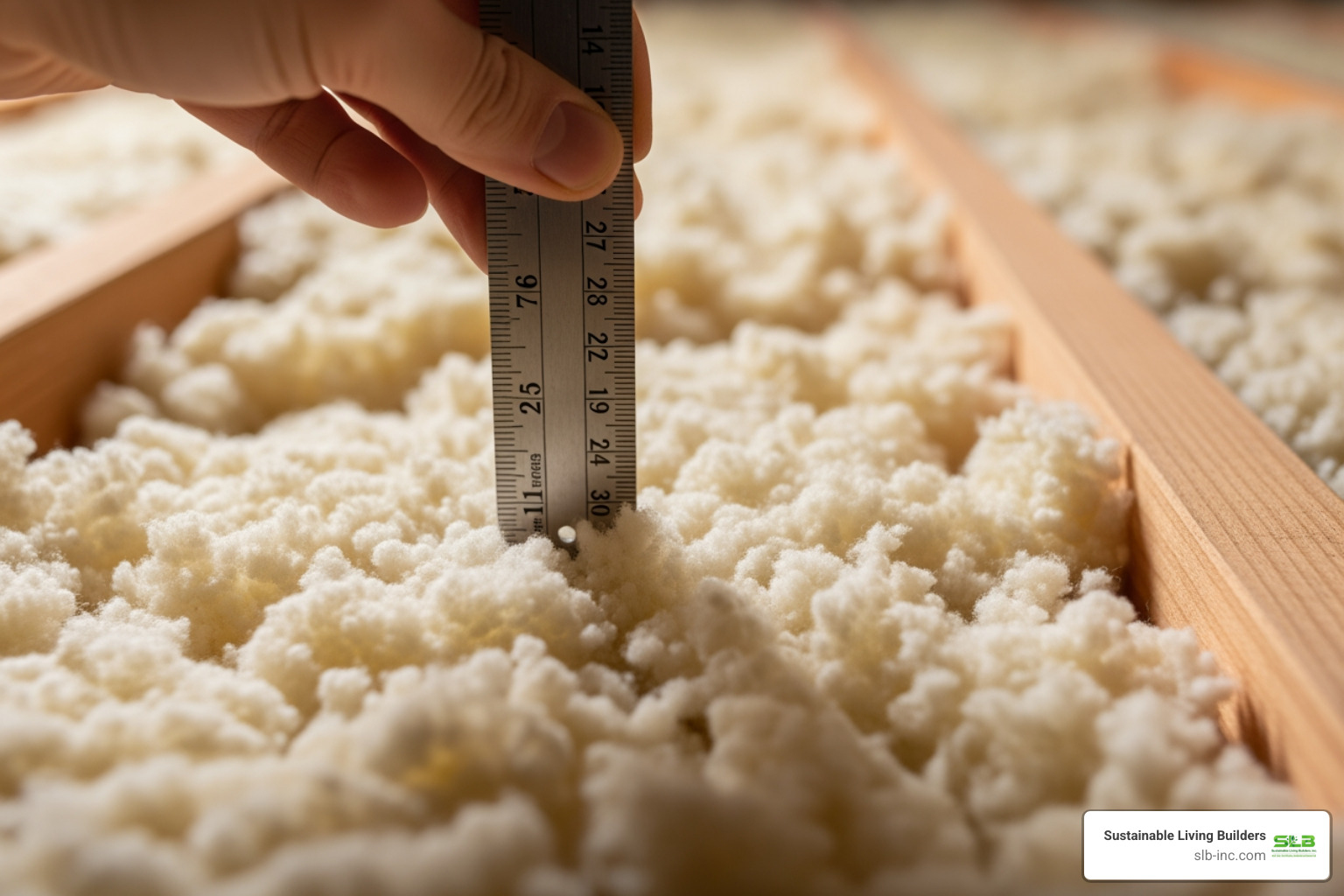
To check if you need more insulation, see if it sits at or below your attic floor joists. If so, you likely need more. You can estimate your current R-value by multiplying the depth in inches by 3 (most materials provide R-3 to R-3.5 per inch). For example, 10 inches is roughly R-30.
A Guide to the Best Attic Insulation Materials
Choosing the right insulation isn’t a one-size-fits-all decision. Your climate, budget, and home layout all play a role. Let’s walk through the most common options to help you make an informed choice.
Fiberglass Insulation (Batt and Blown-in)
Fiberglass, the familiar pink or yellow material, is one of the most affordable and recognizable options.
Fiberglass batts are pre-cut rolls that fit between standard joists, making them a popular DIY choice for unfinished attics. They are widely available and the installation is straightforward in regular layouts. Blown-in fiberglass offers more flexibility for filling irregular spaces but requires specialized equipment. Fiberglass also provides decent soundproofing, and many batts include a flame-resistant vapor barrier.
However, fiberglass has limitations. Its tiny glass fibers can irritate skin, eyes, and lungs, so protective gear (gloves, long sleeves, safety glasses, and a respirator) is essential during installation. If not installed carefully, gaps can form, creating air leaks that reduce effectiveness. Moisture is another concern; damp fiberglass can grow mold and loses R-value. Blown-in fiberglass can also settle over time, decreasing its initial R-value.
Cellulose Insulation
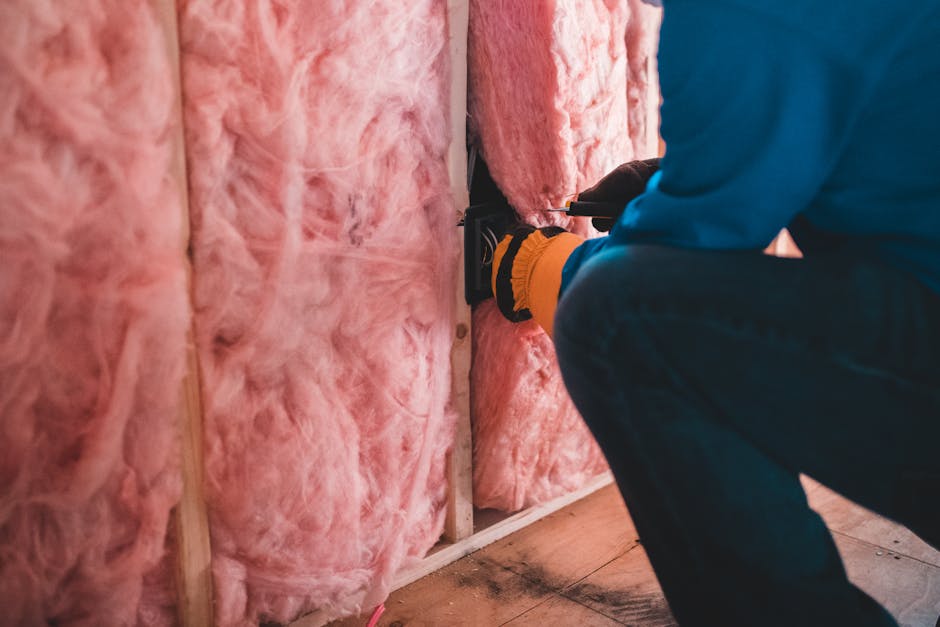
For a sustainable option, consider cellulose insulation. Made from recycled paper products treated with boric acid for fire and pest resistance, it diverts waste from landfills.
As a blown-in material, cellulose excels at filling irregular spaces, creating a tighter thermal envelope than batts. This density also makes it excellent for sound dampening. Unlike some materials, loose-fill cellulose’s R-value increases as temperatures drop, making it reliable for Northern California’s cold snaps. It also helps reduce wind-washing, where air movement reduces insulation effectiveness.
The main trade-off is moisture absorption. If leaks occur, it can lead to mold and R-value loss, so proper air sealing and roof maintenance are crucial. The material can settle over the years, and installation is messy, creating dust that requires cleanup.
The best attic insulation choice: Spray Foam
For pure performance, spray foam insulation is the gold standard in energy efficiency.
As it’s applied, spray foam expands to fill every cavity and crack, creating an exceptional air barrier that stops drafts and air leaks more effectively than other materials. It also delivers one of the highest R-values per inch, providing superior insulation in a thinner layer, which is ideal for attics with limited space. Closed-cell spray foam adds structural rigidity and strong moisture resistance.
Because it creates such an effective seal, a separate vapor barrier is often unnecessary. The material becomes part of the home’s structure, maintaining its effectiveness for decades without settling.
The main downside is that spray foam requires professional installation. The chemicals release fumes during application, requiring professional handling and ventilation. Its airtight nature also means your home will need a mechanical ventilation system for healthy air quality. Additionally, underlying roof leaks must be fixed before installation, as spray foam can trap water and worsen damage.
Mineral Wool Insulation
Mineral wool (or rock wool) is a high-performing insulation worth considering. Its standout feature is excellent fire resistance, as the non-combustible material withstands high temperatures.
Mineral wool also naturally repels water, making it a smart choice where moisture is a concern. Its inorganic nature means it won’t support mold or pests, and it maintains its R-value over time without settling. The dense structure also makes it an excellent sound dampener, reducing noise transfer.
The main drawbacks are that it can be harder to find than fiberglass, and its density makes it heavier to handle during installation.
Other Sustainable Options for the best attic insulation
Beyond the mainstream materials, several specialized options can improve energy efficiency.
Rigid foam boards offer a high R-value in a thin profile. Made from polystyrene or polyisocyanurate, these panels reduce thermal bridging. They are moisture-resistant and durable but require sealed joints. Indoors, they must be covered by a fire-resistant material like drywall.
Reflective foil barriers (radiant barriers) reflect radiant heat. In California’s sunny climate, they can be effective in summer, reducing cooling costs. They work best when facing a large air space, but dust can reduce their effectiveness over time.
Structural Insulated Panels (SIPs) are prefabricated panels for new construction or major renovations. They combine foam insulation with structural sheathing for exceptional insulation and airtightness. SIPs can yield significant energy savings but require specialized installation and mechanical ventilation.
To explore how these materials fit into a comprehensive approach to sustainable home building, check out our guide to sustainable building practices: strategies & trends.
Preparing Your Attic for a Successful Upgrade
Proper preparation is essential for your best attic insulation upgrade to deliver the expected comfort and energy savings. Rushing this step is like building on a shaky foundation. Here are the key steps to ensure a successful project.
Inspecting Existing Insulation
First, inspect your attic. If your current insulation is at or below the floor joists, you need an upgrade. Look for damage like compressed, torn, or falling insulation. Compressed material is less effective because it relies on trapped air. Also, check for signs of pest infestation like droppings or nests, as pests can destroy insulation.
Dampness or mold is a red flag. Musty smells or water stains indicate a moisture problem that must be resolved before adding new insulation. Also, look for uneven coverage or gaps, which are thermal weak spots.
Important: If you find older vermiculite insulation (small, shiny pebbles), do not disturb it. It may contain asbestos and requires professional testing and abatement.
Air Sealing Gaps and Cracks
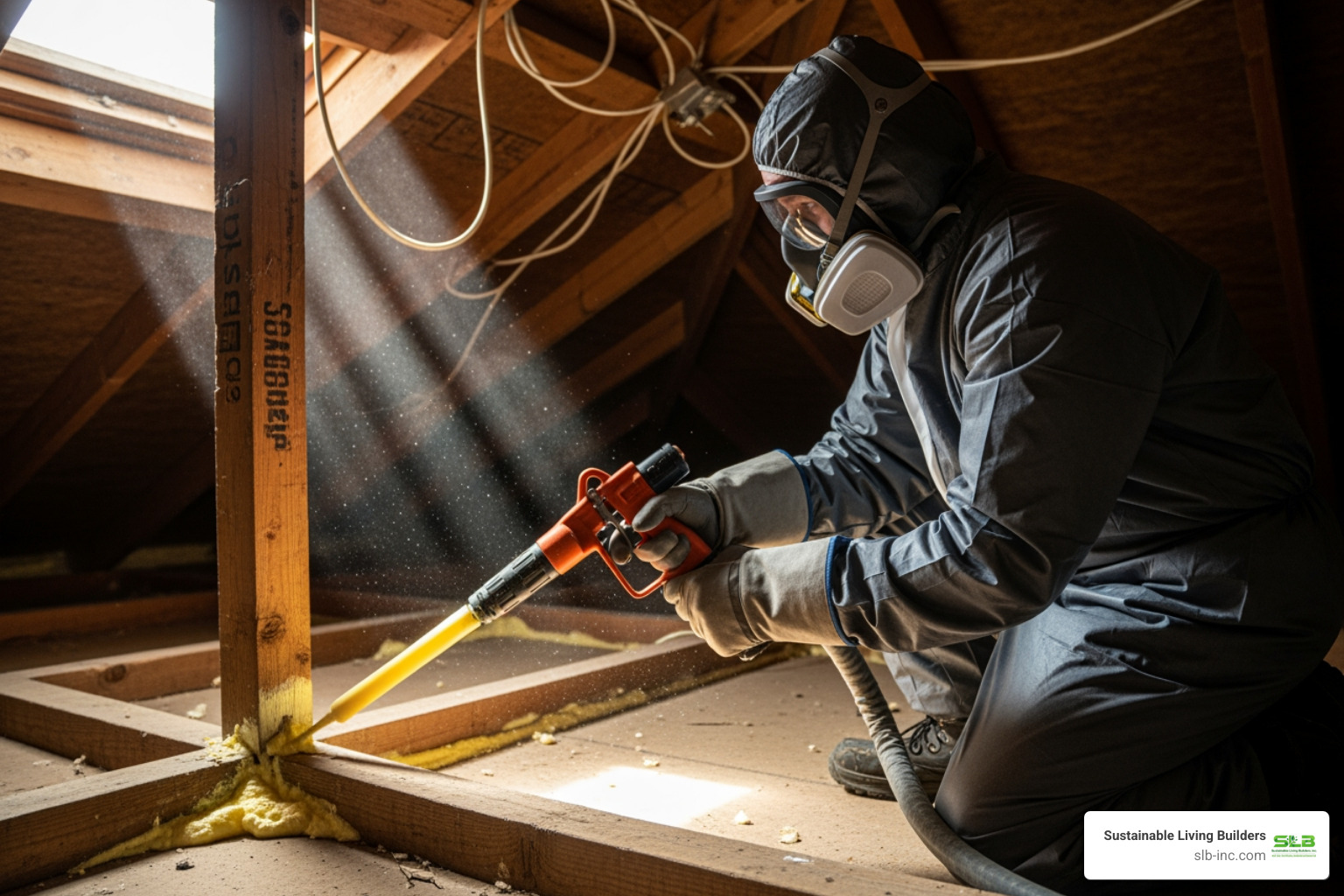
Air sealing is often more important than adding insulation. Without it, air leaks will continue to waste energy. Seal all penetrations, including top plates (where walls meet the attic floor), wiring holes, and plumbing stacks.
Recessed light fixtures, especially older ones, are common culprits. Ductwork seams and connections also need sealing. Around chimneys and flues, use special high-temperature sealants. Use the right material for the gap: caulk for small cracks, expanding foam for medium gaps, and rigid foam or flashing for larger openings.
Checking for Moisture and Pests
Fix all moisture issues like leaks or condensation before insulating. Wet insulation loses its R-value, grows mold, and can cause structural rot. If pests are present, remove them, seal entry points, and replace any contaminated insulation.
Ensuring Proper Attic Ventilation
Good insulation requires good ventilation. A continuous flow of outside air prevents moisture buildup and helps regulate attic temperature. Ensure soffit vents at the eaves are not blocked. Install insulation baffles (rafter vents) to maintain a clear airway from the soffits to the ridge. This continuous flow keeps your attic healthy and your insulation effective.
Safety Around Light Fixtures and Vents
Safety is paramount. Non-IC-rated recessed light fixtures are a fire hazard if covered by insulation. Replace them with IC-rated fixtures or install airtight covers to create a safe buffer.
Exhaust fans from bathrooms and kitchens must vent to the outside, not into the attic, to prevent moisture problems. Around heat sources like chimneys and flues, maintain at least three inches of clearance with non-combustible materials.
If you’re wondering about the overall condition of your roof and potential issues that could affect your attic space, our guide on what to expect during a roof inspection provides a comprehensive homeowner’s checklist to help you identify potential problems before they become bigger issues.
Frequently Asked Questions about Attic Insulation
Homeowners often have similar questions when considering an attic insulation upgrade. Here are answers to the most common ones.
Should I choose DIY or professional installation?
This depends on the insulation type, your DIY comfort level, and your attic’s complexity.
A DIY approach with fiberglass batts can be straightforward in a simple, accessible attic. However, you must use protective gear (safety glasses, gloves, long sleeves, respirator) and work safely by laying boards across joists. The downside is that improper installation with gaps or compression can significantly reduce effectiveness. A complex attic can make DIY frustrating.
Professional installation offers key advantages. Spray foam is not a DIY project; it requires professional equipment and safety protocols. For any material, a pro brings experience in finding and sealing air leaks, ensuring consistent coverage, and working safely around hazards like wiring and heat sources. They also provide R-value documentation, which is valuable for warranties or home resale.
When should you definitely hire a professional? If you’re considering spray foam as your best attic insulation option, if your attic is complex, or if you’re not confident in the process, professional installation is the smart choice. For expert guidance and installation in Santa Rosa, Sebastopol, Sonoma County, Marin County, and Napa County, explore our insulation installation services.
Can new insulation be installed over old insulation?
Yes, you can often add new insulation over old, which is cost-effective. However, some conditions must be met first.
The condition of your existing insulation is critical. Inspect it for dampness, mold, pests, or damage. If you find these issues, the old insulation must be removed and the underlying problems fixed. Covering contaminated material will only make things worse.
If your existing insulation is in good shape, you can add a new layer. For fiberglass batts, lay the new layer perpendicular to the old one to minimize thermal bridging. Adding cellulose over loose-fill fiberglass can boost performance, as cellulose holds its R-value better in cold weather.
Material compatibility is also a factor. Most insulation types can be layered, but spray foam is an exception. It is typically installed only after removing all old insulation.
How can I make attic insulation more affordable?
While there’s an upfront cost, insulation has a high return on investment, and there are ways to make it more manageable.
Federal tax credits are available through December 31, 2025. You can claim a tax credit of up to 30% of the cost of qualified improvements, with a $1,200 annual maximum.
Many utility companies also offer rebates for energy-efficient upgrades. Check with your local provider in Santa Rosa, Sonoma County, or Napa County for available programs.
For households with lower incomes, the U.S. Department of Energy’s Weatherization Assistance Program (WAP) helps eligible families improve energy efficiency, often including attic insulation, at no direct cost.
The long-term savings are the most compelling financial argument. Proper attic insulation pays for itself through lower energy bills, with average savings of 15% on heating and cooling. This ongoing benefit quickly offsets the initial expense, making it a smart investment in your home’s comfort and value.
Conclusion: Take the Next Step Towards an Energy-Efficient Home
Throughout this guide, we’ve walked through why your attic deserves attention—it’s truly the unsung hero of home comfort. We’ve unpacked the science behind R-values and how they relate to our beautiful but varied California climate zones. We’ve compared everything from the DIY-friendly fiberglass batts to the cutting-edge performance of spray foam, the eco-conscious choice of cellulose, and the fire-resistant durability of mineral wool.
The truth is, there’s no one-size-fits-all answer to the best attic insulation. Your ideal choice depends on your specific home, your climate zone here in Northern California, your budget, and your values around sustainability. What matters most is that you’re now equipped with the knowledge to make an informed decision.
The benefits of proper attic insulation extend far beyond lower utility bills. Yes, you’ll likely see that 15% average savings on heating and cooling costs, which adds up year after year. But you’ll also experience a more comfortable home with fewer drafts and more consistent temperatures from room to room. You’ll enjoy a quieter living space, thanks to the sound-dampening properties of quality insulation. And you’ll be doing your part for the environment by reducing your carbon footprint—a value we hold dear at Sustainable Living Builders.
There’s also the practical benefit of increased home value. Energy-efficient homes are increasingly attractive to buyers, and proper insulation is one of those improvements that truly pays for itself, with an average return on investment of 117%.
At Sustainable Living Builders, we’re passionate about helping homeowners throughout Santa Rosa, Sebastopol, Sonoma County, Marin County, and Napa County create homes that are both comfortable and kind to the planet. We don’t just install insulation—we provide holistic, eco-friendly solutions that look at your entire home as a system. From identifying air leaks to ensuring proper ventilation, from leveraging available tax credits to selecting materials that align with your sustainability goals, we’re here to guide you every step of the way.
Ready to transform your attic and take control of your home’s energy efficiency? Explore our comprehensive insulations services to find how we can help you create a more comfortable, energy-efficient future. Let’s work together to build something sustainable.