Understanding the Heart of Your Home’s Electrical System
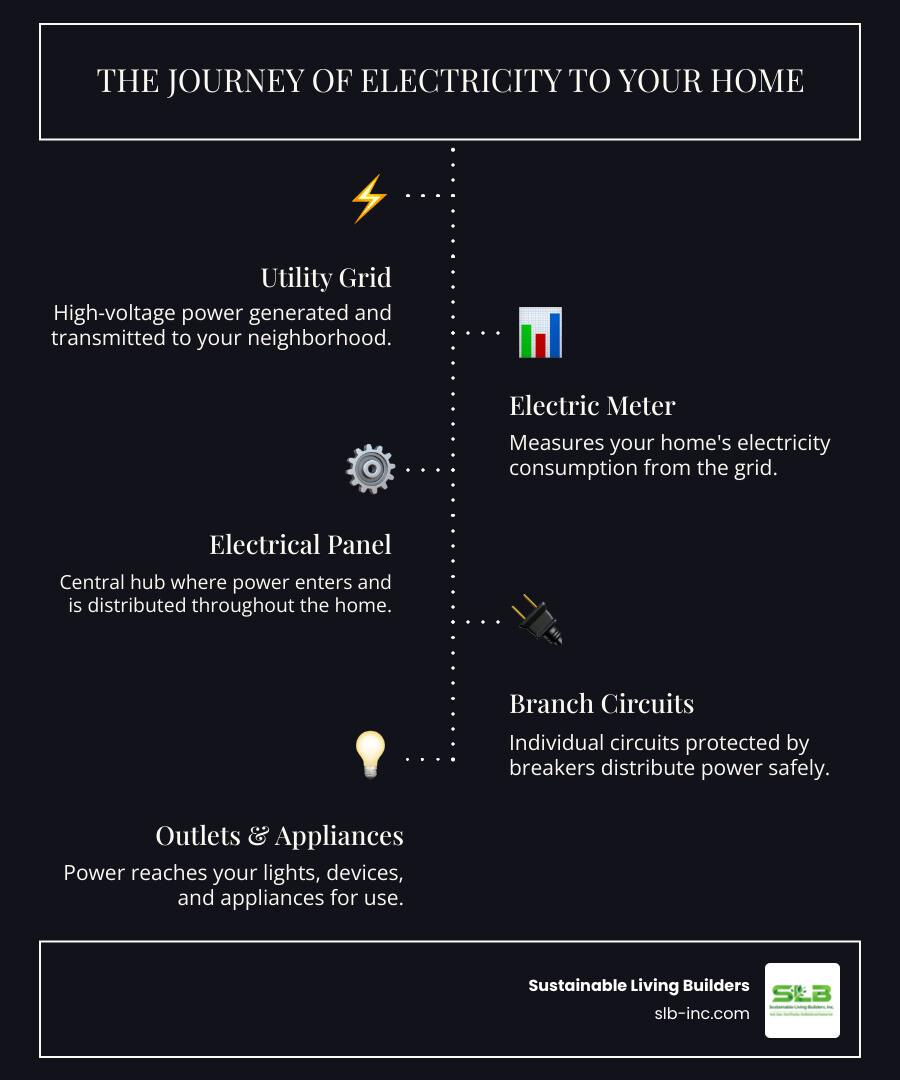
Your house electrical panel is the central hub where electricity from the utility grid enters your home and is distributed to every outlet, light, and appliance. This metal box, usually found in a garage, basement, or utility room, contains circuit breakers that control and protect individual circuits. A functioning, properly sized panel is essential for safely powering modern appliances and preventing electrical fires, outages, and costly repairs.
What is a house electrical panel?
- Definition: A metal box that receives incoming power and distributes it to circuits throughout your home
- Also called: Breaker box, breaker panel, load center, service panel, or distribution board
- Key function: Protects your home by automatically shutting off power when circuits overload or fault
- Location: Typically in garages, basements, closets, or exterior walls near the electric meter
- Common sizes: 60, 100, 150, 200, or 400 amps (modern homes usually need 200 amps)
- Lifespan: 25 to 40 years with proper maintenance
If you’re planning to electrify your home with sustainable upgrades like heat pumps or solar panels, you’ll want to learn more about home electrification. When you’re ready to upgrade your panel or improve your home’s energy efficiency, contact Sustainable Living Builders for expert guidance.
Your electrical panel is more than a box of switches; it’s a critical safety system that prevents overheating wires and fires. It determines how much power your home can handle and serves as the foundation for an efficient, electrified, and sustainable home.
Understanding Your House Electrical Panel: Anatomy and Types
The house electrical panel is the brain of your home’s electrical network, managing power flow and ensuring safety. While it may seem complex, its components work together logically.

Key Components of a Modern House Electrical Panel
When you open your electrical panel, you’ll see several key parts. We recommend letting a professional handle any work inside the panel.
The main breaker is the large switch, usually at the top, that cuts power to your entire home. It’s a vital safety feature for emergencies or major electrical work. Caution: Even with the main breaker off, the utility service lines connected to it remain live and dangerous. All panel work should be left to a professional electrician.
Rows of smaller circuit breakers control specific circuits for lights, outlets, and appliances. They are safety devices that “trip” (shut off) to prevent overheating wires when a circuit is overloaded. Unlike fuses, a tripped breaker can be reset after the issue is resolved.
Inside, bus bars distribute electricity from the main breaker to the circuit breakers. The neutral bar provides a return path for the current to the utility, while the ground bar connects the grounding wires (bare copper or green). This grounding system is a critical safety feature that dissipates electricity into the earth during a fault, preventing shocks.
A network of wires and connections carries electricity to and from your home’s circuits. Though complex in appearance, every wire serves a specific purpose and adheres to strict electrical codes.
Circuit Breaker Panels vs. Older Fuse Boxes
Homes built before the 1960s may have a fuse box instead of a modern circuit breaker panel. While both protect your electrical system, their differences significantly impact safety.
| Feature | Circuit Breaker Panels | Older Fuse Boxes |
|---|---|---|
| Protection Method | Reusable switches that trip when overloaded or faulted. | Disposable fuses with a metal filament that melts and breaks the circuit when overloaded. |
| Reset/Replace | Simply flip the switch back to “ON” after resolving the issue. | The blown fuse must be replaced with a new one of the correct amperage. |
| Safety | Designed to prevent tampering; offer advanced protection (GFCI/AFCI). | Easier to tamper with (e.g., using higher amp fuses or even pennies), leading to fire hazards. |
| Modern Needs | Standard for modern homes, easily accommodate increased electrical demands. | Often undersized for modern appliances, leading to frequent blowing fuses and potential hazards. |
| Fire Hazards | Significantly lower risk due to precise tripping mechanisms. | Higher risk if fuses are improperly replaced or tampered with, causing overloaded circuits and overheating wires. |
Circuit breakers are simply reset, while blown fuses must be replaced. This can lead to dangerous practices, like using an incorrectly rated fuse, which creates a serious fire hazard. Many older homes have 60-amp fuse boxes that cannot meet modern power demands. For the safety of your home and family, we strongly recommend upgrading any fuse box to a modern circuit breaker panel.
Types of Circuit Breakers and Their Purpose
Not all circuit breakers are the same. Specialized breakers offer improved protection.
Standard breakers protect against overloads (too much current) and short circuits. They come in various amperage ratings, like 15-amp for lighting and 20-amp for kitchen outlets.
GFCI (Ground-Fault Circuit Interrupter) breakers protect against electric shock. They detect small imbalances in current, which could indicate a ground fault, and trip instantly. Required in kitchens, bathrooms, and outdoor areas, GFCIs are life-saving devices. Frequent tripping indicates a problem that needs professional attention.
AFCI (Arc-Fault Circuit Interrupter) breakers prevent fires by detecting dangerous electrical arcs from damaged wires or loose connections. These arcs can cause buzzing or flickering before they generate enough heat to start a fire. AFCI protection is now required in many living areas of new and renovated homes.
Dual-function breakers combine GFCI and AFCI protection into a single device, offering comprehensive safety and saving space in the panel.
Main Panels, Subpanels, and Transfer Switches
While most homes have one main panel, additional panels can help manage power effectively.
The main panel is the primary distribution point for electricity, housing the main breaker and all primary circuit breakers.
Subpanels are smaller panels that extend power to specific areas like detached garages, workshops, or home additions. As explained in The Main Electrical Panel and Subpanels, they are used when the main panel is full or an area is far away. A subpanel is fed by a dedicated breaker in the main panel, allowing for efficient load distribution.
Transfer switches are essential for homes with generators. They safely switch your home’s power source from the utility grid to the generator, preventing dangerous “backfeeding” onto utility lines. A transfer switch is a critical safety requirement for any generator installation.
Is Your Panel Up to Code? Sizing, Lifespan, and Upgrade Signs
Your house electrical panel serves you for decades, but it isn’t invincible. Knowing how to assess your panel and spot warning signs can prevent dangerous situations and costly repairs.
How to Find and Assess Your Current Panel
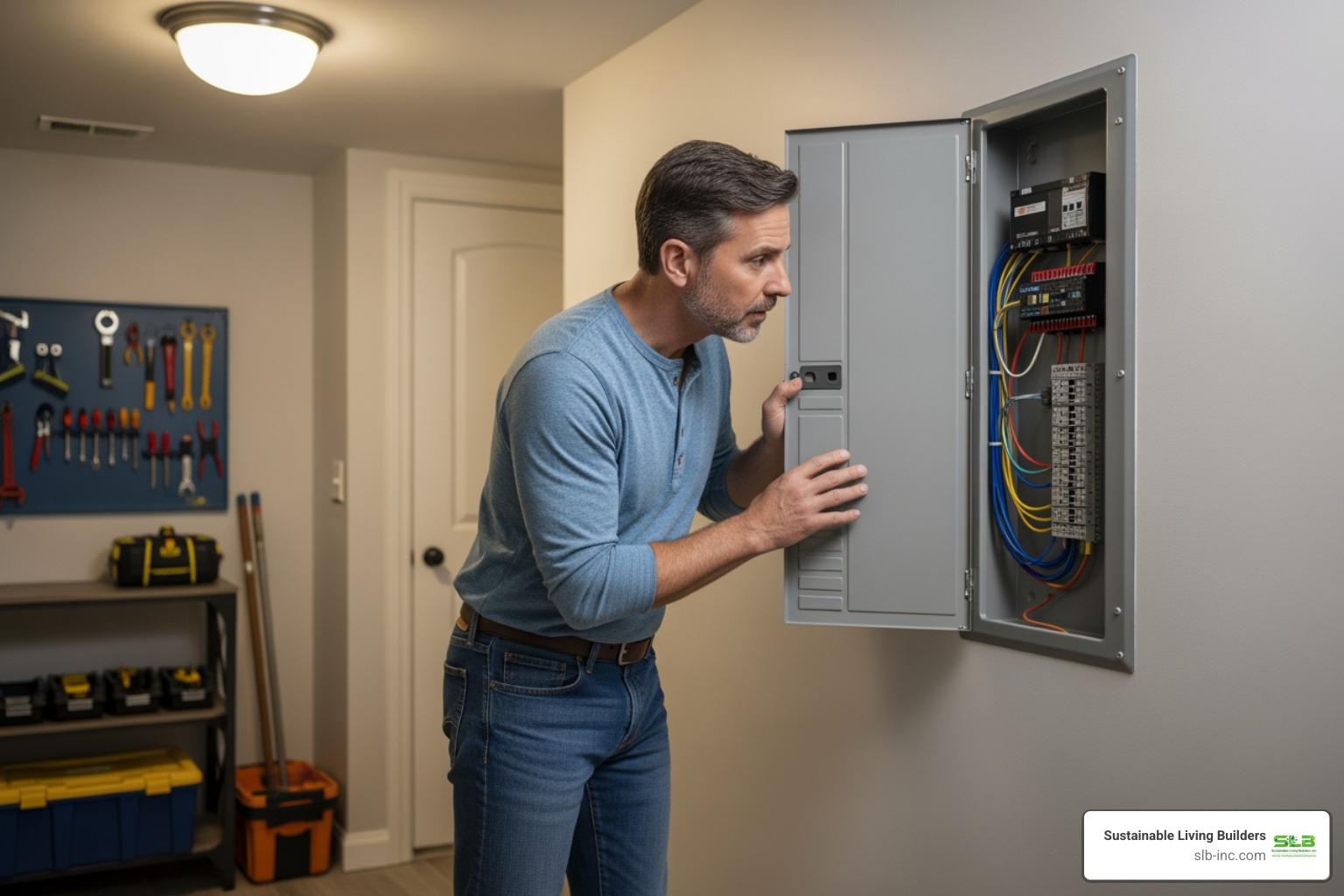
First, locate your panel in a garage, basement, utility closet, or on an exterior wall, often near the electric meter. Next, identify its size (amperage) by checking the number stamped on the main breaker (e.g., “100” or “200”). This number may also be on a label inside the panel door. The main panel is the one with the main breaker that controls all power; other boxes are likely subpanels. For help, consult a qualified electrician or resources on How to determine your panel size.
Common Panel Sizes and Your Home’s Needs
A panel’s amperage determines its power capacity.
- 60-amp panels: Found in homes from the 1950s-60s, these are often fuse boxes and are inadequate for modern needs, causing frequent issues.
- 100-amp panels: Common in older homes, they handle basic needs but can be strained by multiple modern appliances.
- 150-amp panels: A good middle ground for homes with higher electrical demands.
- 200-amp panels: The modern standard, providing ample capacity for an all-electric home with EV chargers and heat pumps. As NYSERDA says, older panels struggle with modern demands.
- 400-amp panels: Used for very large homes with exceptional power needs.
Signs Your House Electrical Panel Needs an Upgrade
Ignoring your panel’s warning signs can lead to safety hazards. Here are key indicators that you need an upgrade:
- Frequent breaker trips: If you’re constantly resetting breakers, your panel is likely overloaded or undersized.
- Flickering or dimming lights: This suggests your system is straining when large appliances turn on.
- Panel is hot to the touch or has a burning smell: A warm panel is a red flag. A burning smell is an emergency; shut off the main breaker and call an electrician immediately.
- Rust or corrosion: This indicates moisture damage and compromised safety.
- Outdated fuse box: Fuse boxes are not designed for modern electrical loads and lack key safety features.
- Insufficient capacity for new appliances: If you plan to add an EV charger, heat pump, or electric stove, you may need more amperage and physical space in your panel.
- Age: The typical electrical panel’s lifespan is 25-40 years. If your panel is over 25 years old, have it professionally evaluated, as older panels are more prone to failure and lack modern safety features.
Upgrading proactively is an investment in your home’s safety, efficiency, and future.
Modernizing Your Panel for a Sustainable Future
Your house electrical panel is the foundation for a sustainable, all-electric home. Upgrading it is the essential first step toward integrating solar panels, EV chargers, and other efficient technologies that reduce your carbon footprint.
The Panel’s Role in Home Electrification
Transitioning to an all-electric home requires an electrical system that can handle the increased load from modern, efficient appliances.
- High-demand appliances: An induction cooktop, heat pump, electric water heater, and electric dryer all require significant power. Our Step-by-Step Guide to Transitioning from Gas to Electric Heating Systems can help.
- EV chargers: A Level 2 charger alone needs a dedicated 240-volt circuit, drawing 40-50 amps.
- Future-proofing: As EnergyStar notes, you might need 240v outlets for these upgrades. A 200-amp house electrical panel provides the capacity to power these devices safely, future-proofing your home. Learn more about our Home Electrification services.
Integrating with Solar Energy and Battery Storage
Integrating solar power requires careful panel integration. Your panel must handle two-way power flow—power from the grid and excess solar power flowing back to it. Solar-ready panels simplify this process. Adding battery storage for true energy independence makes the panel even more critical, as it manages the charging and discharging of your batteries. We can help you Harness the Power of the Sun: What Solar Energy Can Do For Your Home with our Solar Energy Systems and guide you in Bringing the Power of Solar Energy into Your Homes.
What is a Smart Electrical Panel?
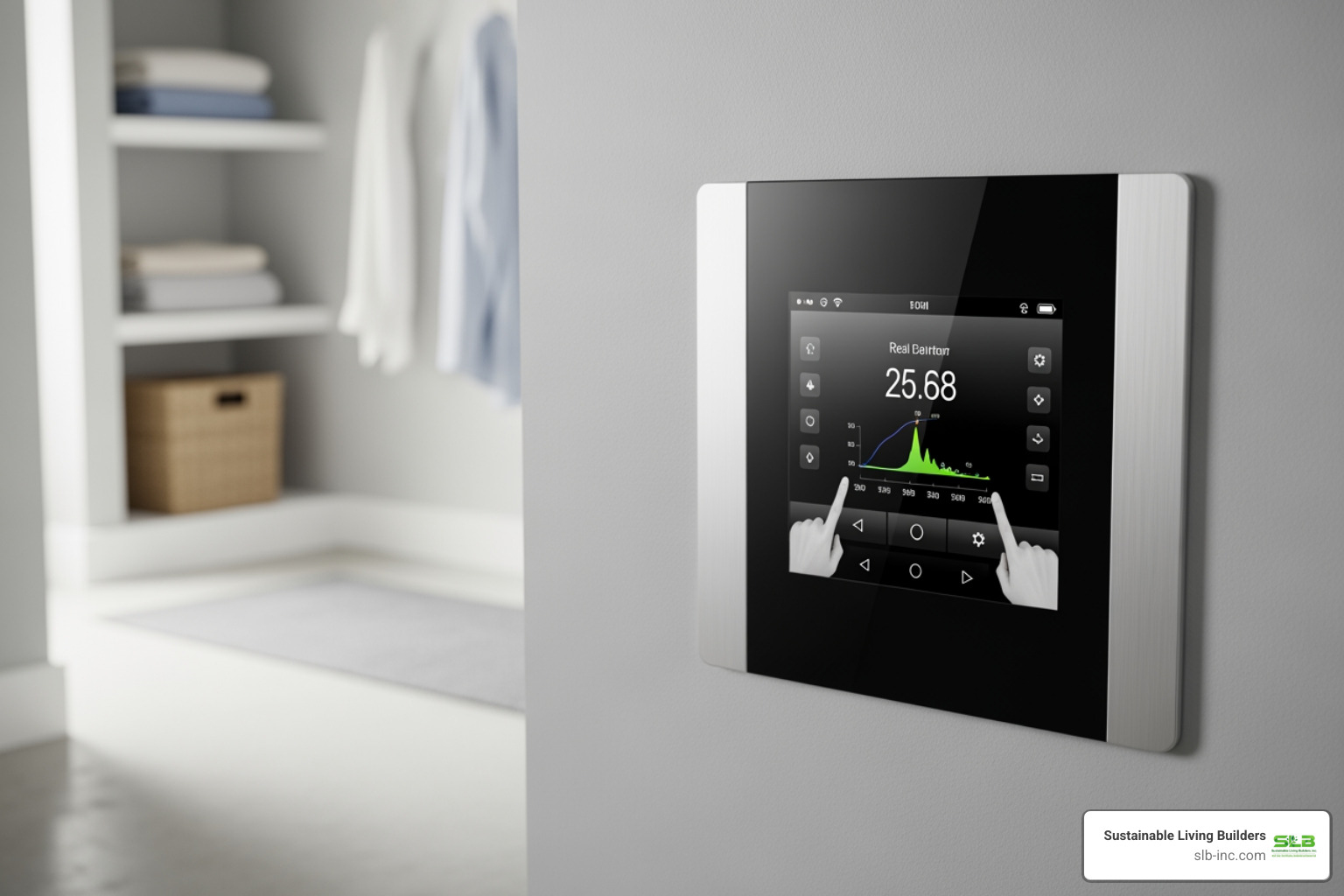
A smart electrical panel offers unprecedented control over your home’s energy. Unlike traditional panels, smart panels like the Span Panel connect to the internet, providing features like:
- Real-time energy monitoring: See exactly how much power each circuit is using from your phone. Learn how a Span Panel can help monitor electricity usage.
- Circuit-level control: Turn individual circuits on or off remotely via a smartphone app.
- Intelligent load management: Automatically prioritizes essential circuits to prevent overloads, potentially avoiding costly service upgrades.
Smart panels integrate with other smart home systems to optimize energy use, promoting efficiency and sustainability.
Incentives for Panel Upgrades
Upgrading your house electrical panel is an investment, and incentives can help. The federal government offers an electrical panel upgrade tax credit of up to 30% of the project cost (capped at $600). To qualify, the new panel must be 200 amps or more and installed with other qualifying energy-efficient upgrades. Many local utilities and state programs in Santa Rosa, Sebastopol, Sonoma County, Marin County, and Napa County offer additional rebates, especially when combined with improvements like high-performance Insulations. Understanding the Importance of Sustainable Insulation can maximize your savings. We recommend checking for local incentives, as opportunities change regularly.
Frequently Asked Questions about Electrical Panels
Your house electrical panel can be intimidating, so we’ve answered some of the most common questions homeowners ask.
How long does a house electrical panel last?
A house electrical panel typically lasts 25 to 40 years. Its lifespan is affected by factors like wear and tear from modern power demands, environmental conditions like humidity causing corrosion, and the quality of the original installation. We recommend having a qualified electrician do regular maintenance every few years to check connections and look for issues. While a panel might function beyond 40 years, its safety and efficiency diminish significantly with age.
What’s the difference between a tripped breaker and a short circuit?
Understanding the difference between these events is key:
- An overloaded circuit occurs when too many devices draw power at once, causing the breaker to trip to prevent overheating. To fix this, unplug some devices before resetting the breaker safely (flip it fully OFF, then back ON).
- A short circuit is more dangerous. It happens when a hot wire touches a neutral or ground wire, creating a massive current surge and a fire hazard. The breaker trips instantly.
- A ground fault occurs when a hot wire touches a grounded object, creating a shock hazard. GFCI breakers protect against this.
If a breaker trips immediately after being reset, you likely have a short circuit or ground fault. Call a qualified electrician right away.
Can I work on my electrical panel myself?
While the DIY spirit is admirable, working on your house electrical panel should be left to professionals due to extreme safety risks.
- Lethal Voltage: Even with the main breaker off, parts of the panel remain live with deadly voltage. Accidental contact can be fatal.
- When to Call a Professional: Contact a licensed electrician for any panel work, including upgrades, breaker replacements, adding circuits, or investigating persistent issues.
- Code Compliance and Permitting: Panel work requires permits and must adhere to strict local codes in Santa Rosa, Sebastopol, Sonoma County, Marin County, and Napa County. A professional ensures the work is safe, legal, and won’t void your home insurance.
The only safe DIY task is resetting a tripped breaker after you’ve resolved the overload. For everything else, call an expert.
Conclusion: Powering Your Home Safely and Sustainably
Your house electrical panel is the silent guardian of your home, ensuring safety and enabling modern life. As we’ve discussed, understanding its components, recognizing signs of trouble, and knowing when to upgrade are crucial for any homeowner.
An updated panel is the gateway to a sustainable future, supporting home electrification with EV chargers, heat pumps, and solar energy systems. As we move toward cleaner energy, a modern, safe electrical panel is not a luxury—it’s a necessity.
If your panel is aging, struggling to meet your needs, or holding you back from sustainable upgrades, it’s time to take action. At Sustainable Living Builders, we specialize in helping homeowners in Santa Rosa, Sebastopol, Sonoma County, Marin County, and Napa County create safer, more efficient homes.
Whether you’re planning a renovation or ready to accept renewable energy, we’re here to help. For more information on our Home Electrification services and to learn how we can power your home safely and sustainably, reach out to us today.