Understanding Water Heating Roof Panels: A Smart Solution for Rising Energy Costs
Water heating roof panels are solar thermal systems that capture the sun’s energy to heat your home’s water supply, helping to lower utility bills and reduce your carbon footprint.
Quick Answer: What You Need to Know About Water Heating Roof Panels
- What they are: Roof-mounted solar collectors that heat water using free sunlight.
- How they work: They absorb solar energy and transfer heat to water through a circulation system.
- Types available: Active systems (with pumps), passive systems (thermosiphon), flat-plate collectors, and evacuated tube collectors.
- Key benefits: Significant reduction in energy consumption for water heating and lower utility bills.
- Best for: Any climate, though specific collector types suit different regions.
For most homeowners, water heating is a major part of total energy consumption. This significant expense becomes more frustrating with rising energy costs, especially for those looking to reduce their environmental impact and gain control over household spending.
Water heating roof panels offer a proven solution. These systems harness free solar energy to heat your water, dramatically cutting your dependence on electricity or gas. Modern solar water heating technology can work for your home, providing reliable hot water while lowering your carbon footprint and monthly expenses.
For comprehensive sustainable home solutions, explore our Solar Energy Systems, or contact us for a consultation to see how water heating roof panels can transform your home’s energy efficiency.
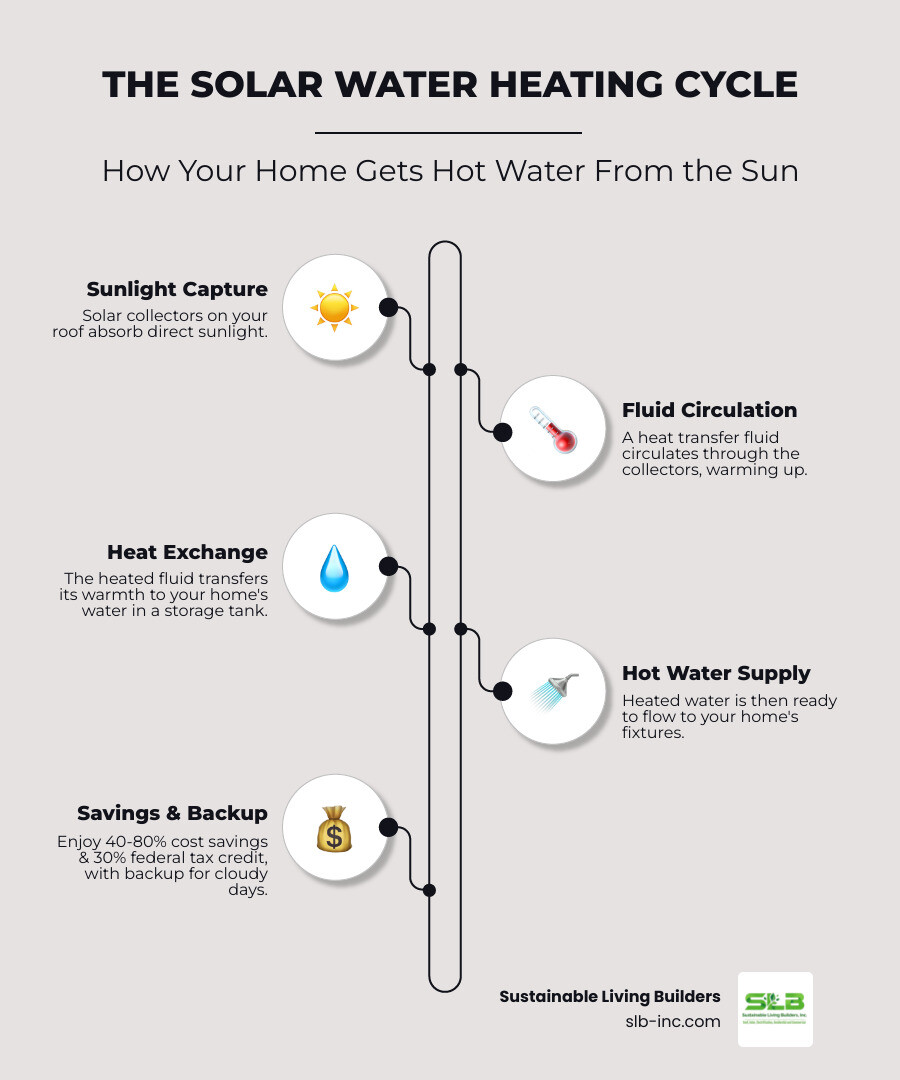
How Solar Water Heating Systems Function
Water heating roof panels use smart, reliable engineering to turn simple sunlight into hot water for your home. The process is straightforward: solar collectors on your roof absorb energy from the sun, converting light into heat.
A heat transfer fluid, typically a water-glycol mixture to prevent freezing, circulates through the collectors, absorbing this warmth. The heated fluid then flows to a well-insulated storage tank. Inside the tank, a heat exchanger transfers the warmth from the fluid to your household water supply without the two ever mixing. The now-hot water is stored and ready for you to use.
Because the sun isn’t always shining, nearly all solar water heating systems include a conventional backup heater. This backup automatically provides hot water during cloudy periods or times of high usage, ensuring you always have what you need. This process allows you to use free solar energy for your hot water needs, reducing your reliance on the grid. To learn more, explore our insights on Solar Energy Systems.
Active vs. Passive Water Heating Roof Panels
Solar water heating systems come in two main types: active and passive. The best choice for your home depends on your climate and preferences.
Active systems use pumps and electronic controls to circulate the heat transfer fluid. This design offers high efficiency and installation flexibility.
- Direct circulation systems pump household water directly through the collectors. They are best suited for climates where freezing is not a concern.
- Indirect circulation systems circulate a non-freezing fluid that heats your water via a heat exchanger. This makes them ideal for regions like ours that can experience frost, providing worry-free, year-round performance.
Passive systems operate without pumps or controls, relying on the natural tendency of hot water to rise (thermal convection). Their simplicity makes them highly reliable.
- Thermosiphon systems place the storage tank above the collectors. As water in the collector heats, it naturally rises into the tank, while cooler water flows down to be heated.
- Integral Collector-Storage (ICS) systems combine the collector and storage into a single roof-mounted unit. They work well in mild climates for households that use most of their hot water in the afternoon and evening.
While passive systems are simple and reliable, active systems generally offer higher efficiency and are a popular choice for homeowners seeking optimal performance. You can explore more about these technologies in our guide to Solar Energy System Introduction: Common Types.
Collector Types: Flat-Plate vs. Evacuated Tube
The type of collector you choose is key to your system’s performance, especially in variable weather.
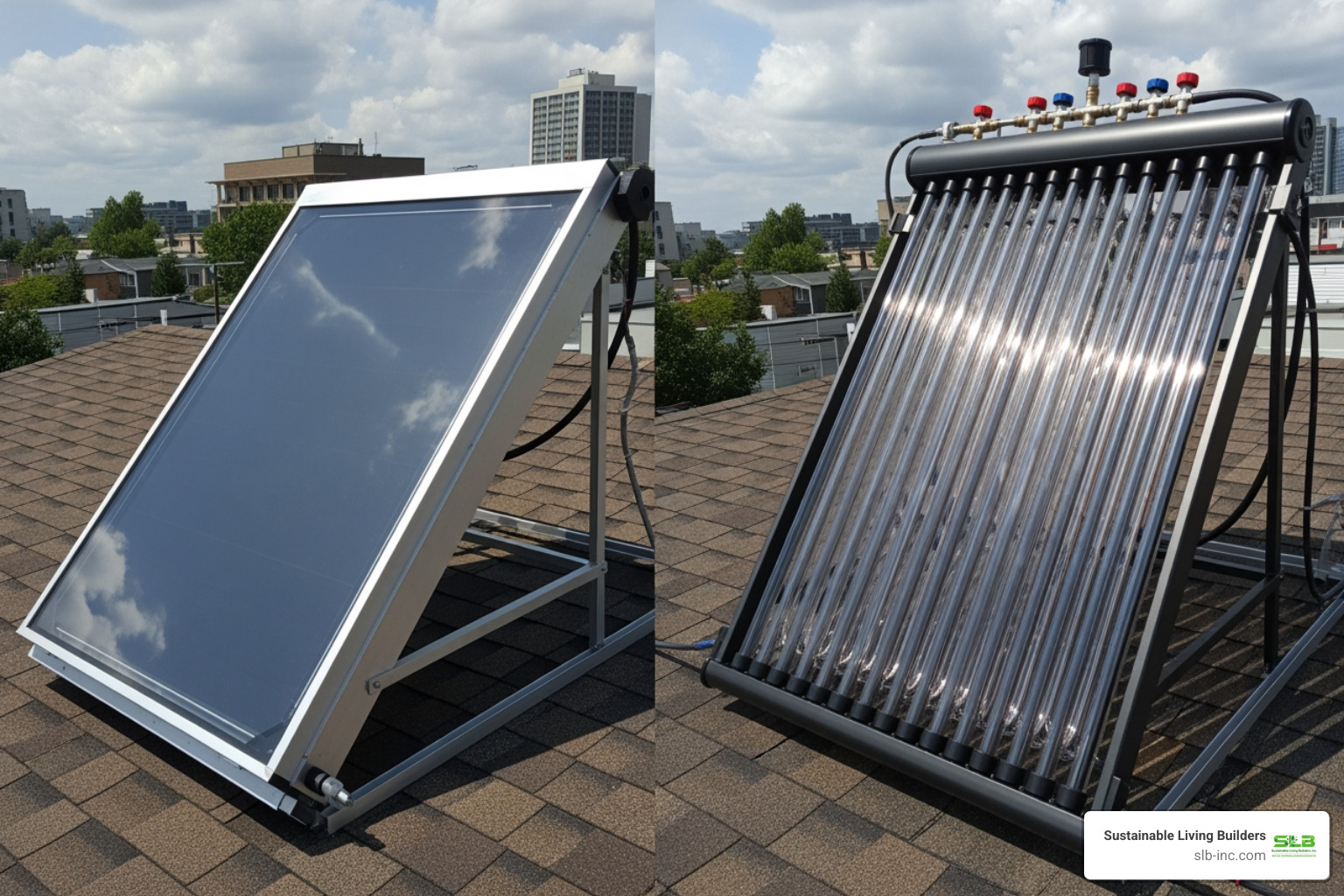
Flat-plate collectors are a common and durable choice. They consist of a dark absorber plate in a glazed, insulated box. Sunlight passes through the glass and heats the plate, and the glass traps the heat inside. Made with durable materials like copper piping and aluminum frames, they are a reliable solution for the sunny climates found throughout Santa Rosa, Sonoma County, and Napa County.
Evacuated tube collectors are a premium, high-efficiency option. They consist of glass tubes with a vacuum layer for insulation, similar to a thermos. This superior insulation prevents heat loss, making them exceptionally effective in cooler temperatures, on overcast days, or during winter. For homes in areas that experience colder weather, evacuated tubes provide excellent performance when other collectors might struggle.
Both collector types carry SRCC (Solar Rating & Certification Corporation) certification, which is an important indicator of quality and performance. This certification ensures you are investing in proven technology that meets high industry standards. Our team can help you determine which collector type makes the most sense for your home’s specific needs.
Key Benefits and System Considerations
Investing in water heating roof panels offers benefits beyond a lower utility bill. It’s about taking control of your home’s energy future and committing to a more sustainable lifestyle. A noticeable improvement is the increased availability of hot water. With the sun’s free energy keeping your water hot, you can enjoy more comfort and convenience than conventional water heaters often provide.
This improved capacity, powered by a renewable resource, delivers a new level of everyday convenience. For a comprehensive look at how solar technology can transform your entire home, explore our article on the 4 Benefits of Home Solar: Why You Should Make the Switch.
Maximizing Your Home’s Energy Efficiency
Water heating roof panels are at the heart of an energy-efficient home. Since heating water is a major household energy consumer, integrating a solar water heating system can lead to a significant reduction in your home’s energy consumption. By capturing free energy from the sun, you dramatically cut your dependence on grid electricity or natural gas. This provides protection from fluctuating energy rates and gives you more control over your household budget.
Beyond the practical benefits, there’s the environmental impact. Reducing your use of traditional energy for water heating also means reducing the CO2 emissions associated with it. Every hot shower powered by the sun is a small victory for the planet. Making the switch is an investment in a home that operates intelligently, efficiently, and with respect for the world around us. Find more ways to Harness the Power of the Sun: What Solar Energy Can Do for Your Home.
Choosing the Right System for Your Climate
While water heating roof panels work in all climates, choosing the right configuration for your location is key to performance. In Santa Rosa, Sonoma County, and the surrounding areas, we enjoy abundant sunshine but also experience diverse microclimates, from foggy mornings to frosty nights.
- Solar Resource: We conduct a thorough site assessment to evaluate your property’s year-round solar radiation, considering roof orientation, tilt, and any shading from trees or buildings.
- Freeze Protection: In areas with occasional freezing temperatures, freeze protection is critical. Indirect circulation systems, which use a non-freezing fluid, are a popular and reliable choice in our region.
- System Sizing: Proper sizing is essential. We analyze your household’s hot water usage to ensure your system is perfectly matched to your lifestyle, providing enough hot water without being oversized.
- Roof Orientation and Shading: We carefully evaluate your roof to find the optimal placement for your panels, avoiding shading that could reduce efficiency and maximizing your year-round performance.
Every home is unique, and our job is to design a system that’s perfectly customized to yours. We take pride in understanding the nuances of our local climate to create solutions that deliver exceptional performance for decades. Learn more about solar considerations specific to our area at Home Solar in Santa Rosa, CA.
Installation, Maintenance, and Future Technology
Understanding the installation process and upkeep for water heating roof panels helps ensure you’ll enjoy decades of reliable performance. Quality installation is key to a long-lasting, efficient system. For a broader look at solar options for your home, visit our Solar Panels page.
The Professional Installation Process
Your water heating roof panels are only as good as their installation. These systems require specialized knowledge of plumbing, roofing, and solar technology. The importance of qualified installers cannot be overstated, as improper installation is a leading cause of system issues.
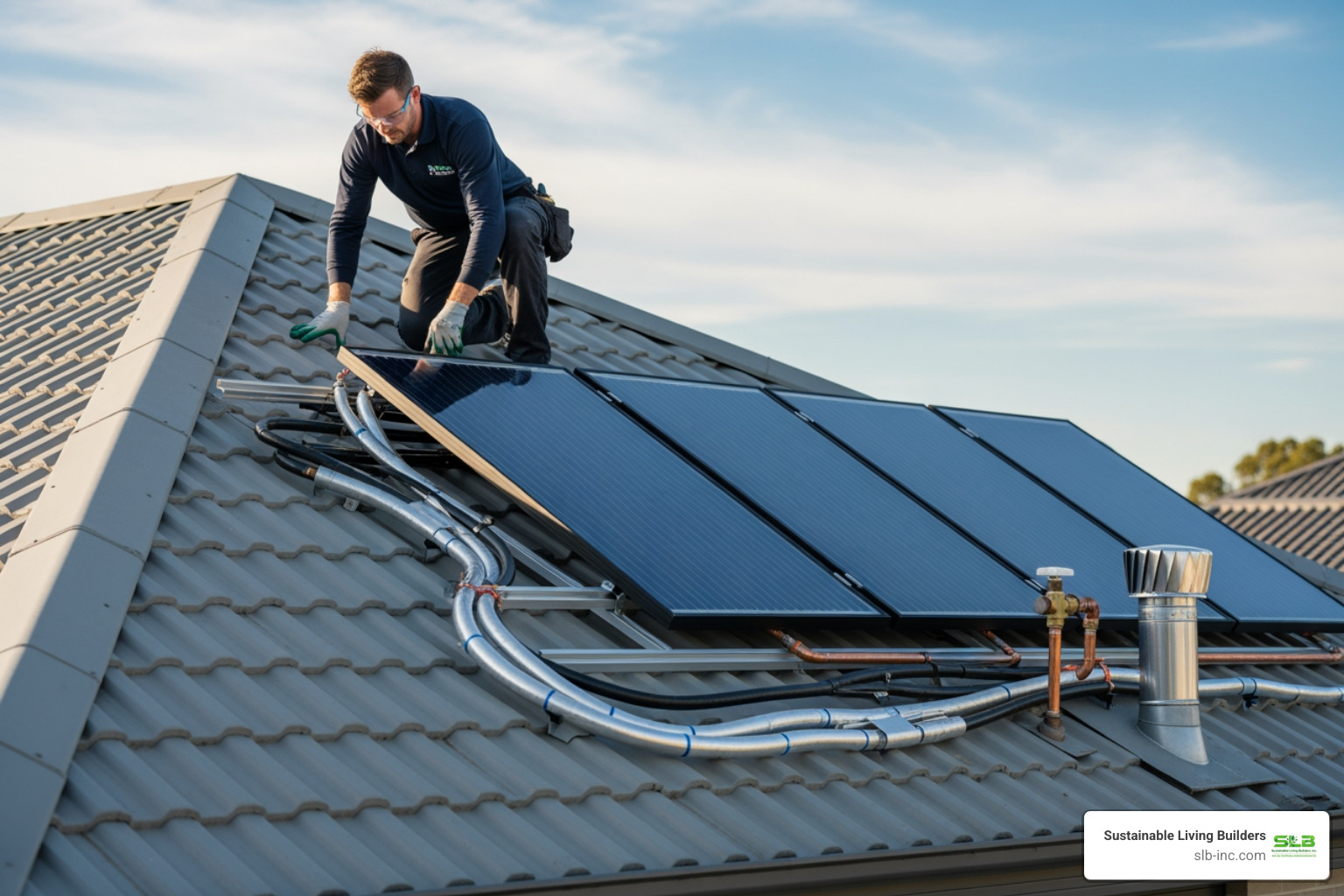
Our process begins with a thorough site assessment to evaluate your roof’s structure, orientation, and potential shading. We also assess your existing plumbing to ensure seamless system integration. Our technicians expertly connect the new components with your current hot water setup, creating a harmonious and efficient system. To see what you can expect, explore our guide on Solar Energy Made Simple: Understanding the Installation Process.
Simple Maintenance for Long-Term Performance
Water heating roof panels require minimal attention to deliver reliable hot water for twenty years or more.
- Routine Checks: Active systems with pumps and controls benefit from periodic checks of fluid levels and system pressure, as outlined in the owner’s manual. Passive systems are even simpler.
- Cleaning: In dry climates like California, dust can accumulate on the collectors. While rain often does the job, a gentle wash during dry spells helps maintain peak performance.
- Professional Servicing: We recommend professional servicing every 3-5 years for active systems to check components and connections. The collectors themselves often last 20-30 years.
For helpful tips on keeping your panels clean, check out our article on How Often to Clean Solar Panels.
The Future is Integrated: BIPVT Water Heating Roof Panels
The future of solar technology lies in Building-Integrated Photovoltaic-Thermal (BIPVT) systems. These innovations allow a single roof system to perform multiple functions with remarkable efficiency.
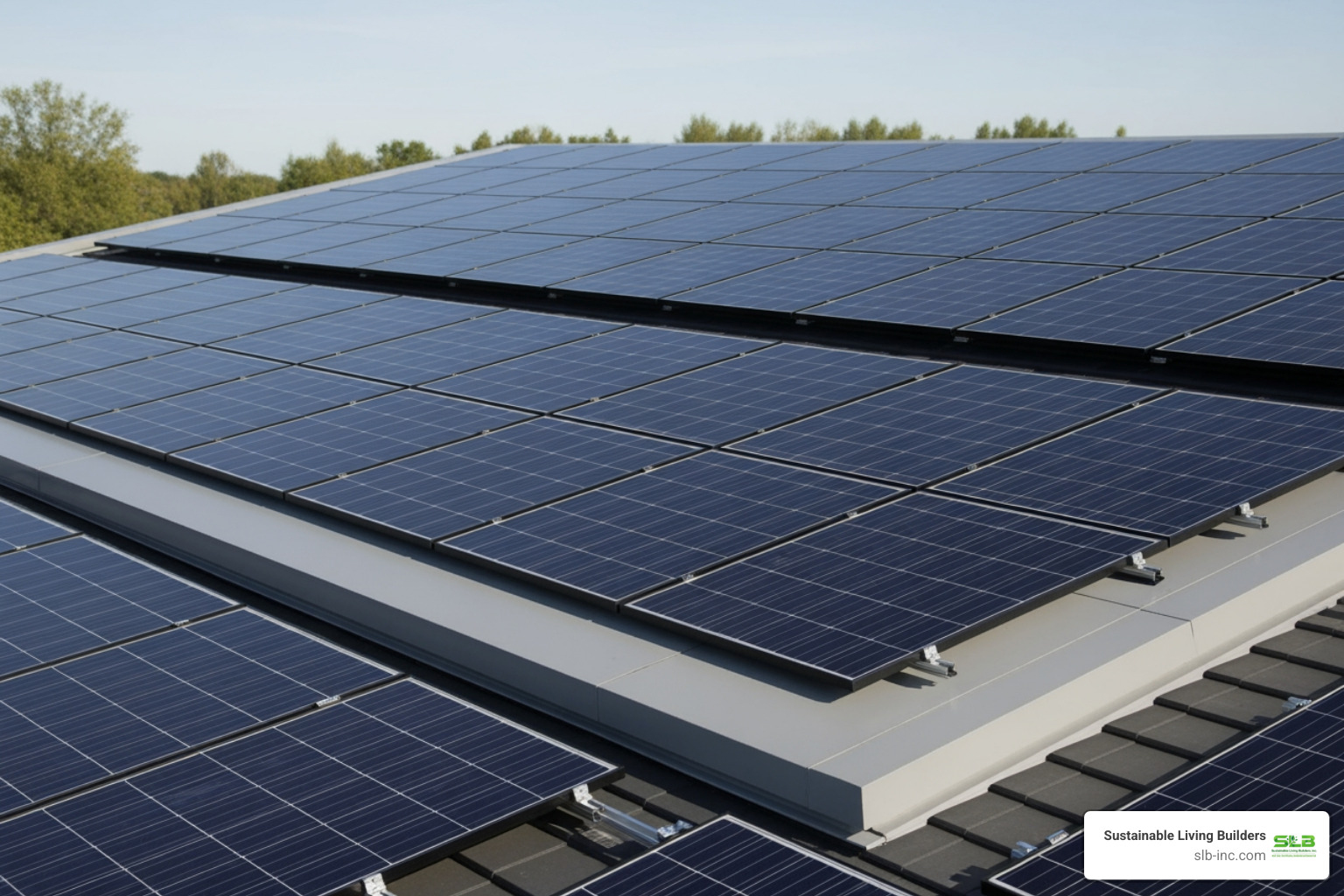
BIPVT panels deliver both electricity and hot water from a single installation. They function as both a roofing material and an energy system, creating a sleek, modern aesthetic. A key benefit is improved PV efficiency through cooling. A fluid circulates behind the PV cells, cooling them down and allowing them to generate electricity more efficiently. This captured heat is then used to warm water for your home. BIPVT systems transform your roof into an active energy hub, representing a holistic vision of sustainable living. To explore how these advanced systems compare with traditional approaches, read our analysis at Traditional Roofing vs. Solar Roofing: What’s the Right Choice for Me?.
Frequently Asked Questions
Here are answers to the most common questions we hear from homeowners in Santa Rosa, Sonoma County, and surrounding areas about solar water heating.
Do solar water heaters work in the winter or on cloudy days?
Yes, water heating roof panels work in winter and on cloudy days, though their output is lower than on bright, sunny days. Solar collectors are designed to capture both direct and diffuse sunlight, so they continue to generate heat even when the sky is overcast.
To ensure you never run out of hot water, nearly every system includes a conventional backup heater. This backup seamlessly takes over when solar production is low, providing an uninterrupted supply of hot water. For colder climates, evacuated tube collectors are particularly effective due to their superior insulation, which helps them perform well even when sunlight is less intense.
How long do solar water heating systems last?
A properly installed and maintained solar water heating system is a long-term investment in your home. The solar collectors are built to last, with a typical design life of 20 to 30 years. Other components, such as pumps and controls in active systems, may need attention after about 10 years, while a well-maintained storage tank can last 15 to 20 years. With routine care, you can expect your system to provide reliable hot water and energy savings for two decades or more.
Can I heat my swimming pool with solar panels?
Absolutely. Heating a swimming pool with solar energy is one of the most popular applications for solar thermal technology. It’s an excellent way to extend your swimming season without a major increase in your energy bills.
Solar pool heating systems typically use unglazed collectors made of durable, UV-resistant materials. These are highly effective at heating large volumes of water to the comfortable temperatures pools require. This allows you to enjoy your pool for more of the year using the sun’s free and clean energy.
Conclusion
As we’ve explored, water heating roof panels offer a powerful way to manage one of your home’s biggest energy expenses. From reliable active systems to simple passive designs, and from proven flat-plate collectors to high-efficiency evacuated tubes, there is a solar water heating solution for every home.
The benefits are clear: a significant reduction in your water heating energy consumption, lower utility bills, and a smaller carbon footprint. Given that water heating can account for a large portion of a home’s energy use, the potential for positive change is substantial.
Beyond the practical advantages, water heating roof panels represent a commitment to energy independence and sustainability. You can harness free solar energy for decades, insulating yourself from fluctuating utility rates. With emerging technologies like Building-Integrated Photovoltaic-Thermal (BIPVT) systems, the future of solar is even brighter, promising greater efficiency and seamless design.
Here in Santa Rosa, Sebastopol, Sonoma County, Marin County, and Napa County, we are fortunate to have abundant sunshine. At Sustainable Living Builders, we specialize in helping homeowners make smart, sustainable choices. Our expertise in energy-efficient roofing and solar systems allows us to design comprehensive solutions customized to your home, climate, and lifestyle.
Making your home more efficient and environmentally responsible is an investment in your comfort and future. If you’re ready to explore your options, we’re here to guide you with honest advice and proven expertise.
Learn more about our sustainable roofing solutions and find out how we can help you harness the sun’s power to create a home that’s better for your budget and our planet.