Why Every Homeowner Needs to Know How to Prevent Basement Flooding
To prevent basement flooding, you need a three-part strategy: control surface water with proper grading and gutters, install interior drainage systems like sump pumps, and protect against sewer backups with backwater valves. A flooded basement means more than just soggy boxes; it can lead to mold, structural damage, and costly repairs. The good news is that most flooding is preventable.
Quick action checklist:
- Exterior: Clean gutters twice yearly, extend downspouts 6-10 feet from foundation, grade soil away from house.
- Interior: Install a sump pump with battery backup, seal foundation cracks with hydraulic cement.
- Plumbing: Maintain sewer lines, consider a backwater valve if you’ve had backups.
- Emergency: Know where your main water shutoff is, keep a wet-dry vacuum handy.
Water typically enters a basement in one of three ways: from the surface, through groundwater pressure, or back through your plumbing. Addressing all three is the only way to keep your space truly dry. This guide will walk you through the warning signs, exterior and interior solutions, and emergency steps to create a complete defense system for your home.
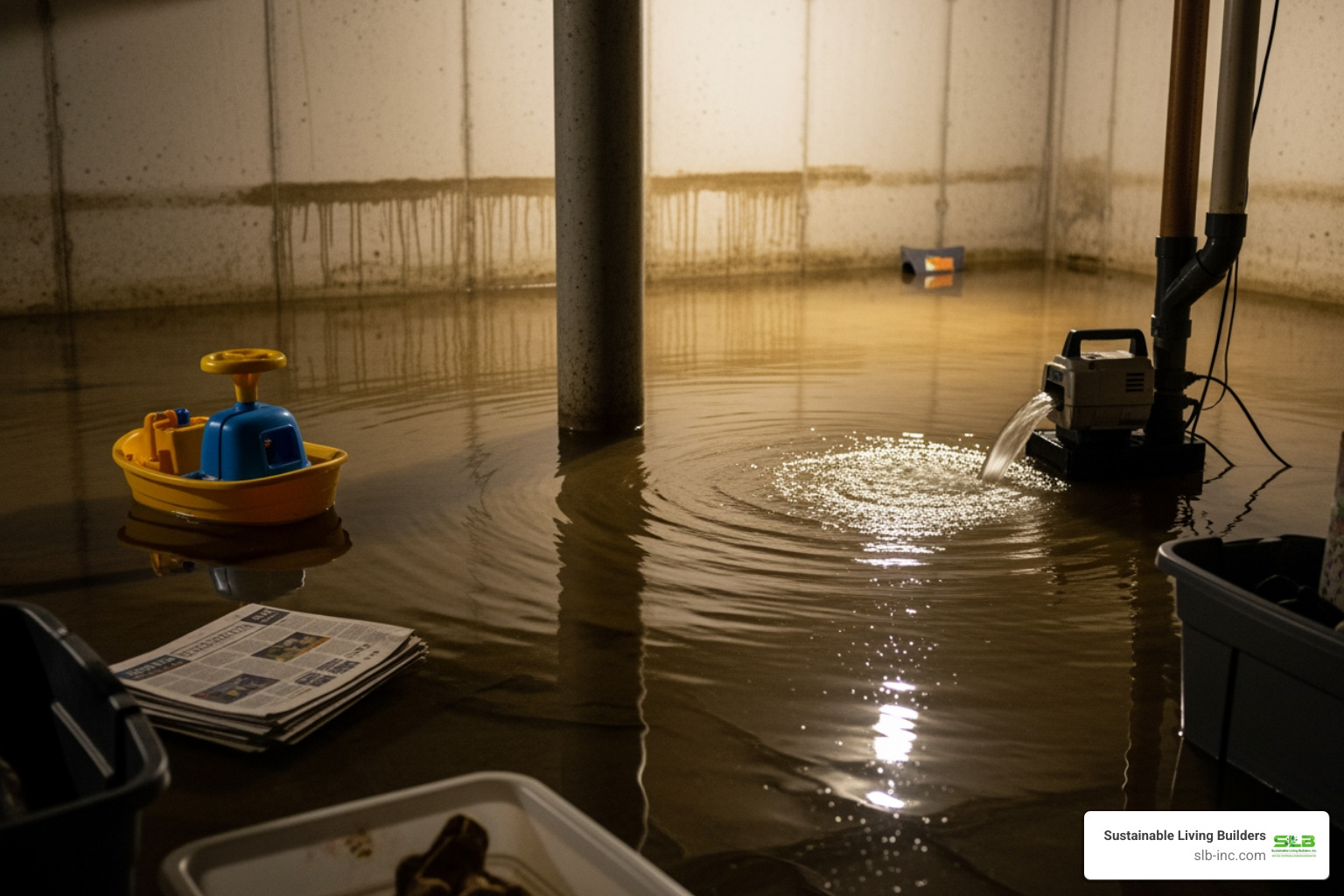
Understanding the Enemy: Common Causes and Warning Signs
Water doesn’t randomly appear in your basement—it follows predictable paths. Understanding these pathways is the first step to closing them off for good.
The first is surface water intrusion, the most common cause of wet basements. When it rains, your roof can collect over a thousand gallons of water. If your gutters are clogged, downspouts are too short, or your yard slopes toward your house, that water flows straight to your foundation and finds its way in through cracks or porous concrete.
The second culprit is groundwater pressure. When heavy rain or snowmelt saturates the soil around your foundation, it creates immense hydrostatic pressure. This force pushes water through even hairline cracks in your basement walls and floor. This is especially common in areas with a high water table.
The third path is sewer system backups. Heavy storms can overwhelm municipal sewer systems, forcing water and sewage back up through your drains. Blockages from tree roots or grease in your own sewer line can also cause backups. These foundation vulnerabilities combine to create the perfect storm for flooding.
Understanding these three enemies is your first step to prevent basement flooding. Each requires a different defense strategy. For more on how weather affects your home, see our article on how heavy rains impact your roof and how to prepare.
Signs of a Moisture Problem
Your basement usually gives warning signs before a full flood. Ignoring them is a risk.
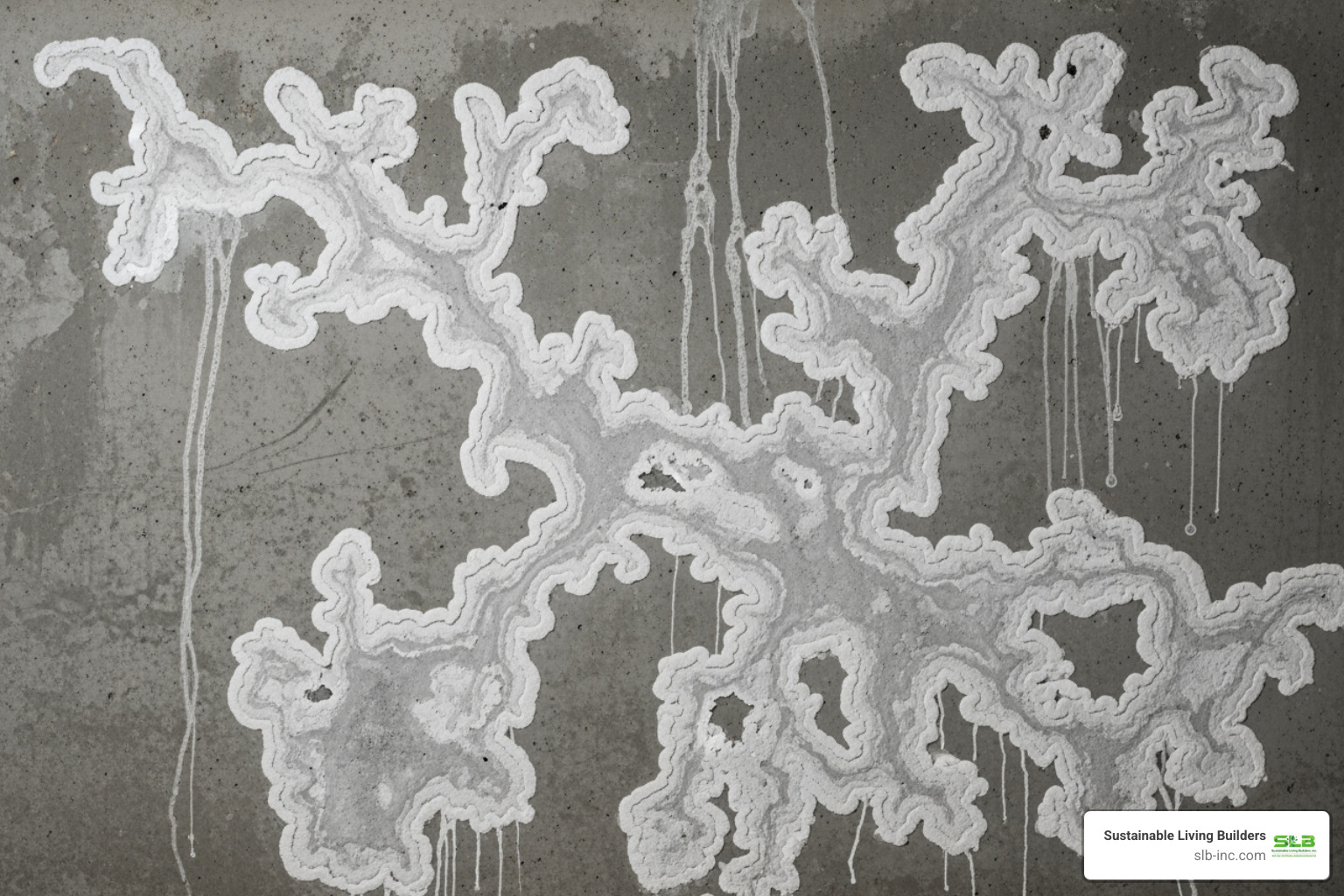
- Efflorescence: A white, chalky powder on concrete walls or floors. It’s left behind when water seeps through the concrete and evaporates, indicating water is actively moving through your foundation.
- Musty odors: A persistent earthy or moldy smell means moisture levels are too high (often above 60% humidity), allowing mold to grow.
- Damp spots on walls or floor: These appear as dark patches or areas that feel cool and clammy, showing where water is seeping in.
- Peeling or bubbling paint: This happens when moisture from behind pushes the paint off the wall surface.
- Visible mold or mildew growth: Any visible mold—black, green, white, or other colors—is a definitive sign of a moisture problem that needs to be addressed.
Catching these signs early allows you to prevent basement flooding before it starts. A simple hygrometer to monitor high humidity can also alert you to issues. Pay attention to what your basement is telling you to avoid bigger problems later.
Your First Line of Defense: Exterior Water Management
The smartest way to prevent basement flooding is to stop water before it ever reaches your foundation. Every drop of rain that pools next to your house is looking for a way in. Your job is to intercept that water and direct it away.
During a storm, your roof channels a massive amount of water. If that water lands next to your foundation, you’re creating a moat around your home. A well-designed drainage system, whether you have flat vs sloped roofs- which is the best choice for rainy weather, is your first and most powerful line of defense, protecting not just your roof but your entire foundation.
How to prevent basement flooding through proper drainage and grading
The ground around your house should work for you. Proper grading means your yard slopes gently away from your foundation—a decline of about six inches over the first ten feet is ideal. This gives water a clear path to flow away from your home. If you see water pooling near your house after rain, your grading may need adjustment, which can sometimes be fixed by adding soil around the foundation.

Your landscaping choices also matter. Keep trees and large shrubs at least ten feet from the foundation to prevent root damage and moisture trapping. When mulching, leave a six-inch gap between the mulch and your siding to allow for proper drainage. You can also use water-absorbing plants in wet areas to soak up excess moisture.
For persistent issues, an exterior French drain is a powerful solution. This system uses a perforated pipe in a gravel-filled trench around your foundation to intercept groundwater and carry it safely away before it can build pressure against your walls.
Maintaining your entire roof drainage system is key. For more guidance, read our article on how to keep your roof drainage system ready for heavy rains.
The Critical Role of Gutters and Downspouts
Gutters are essential for managing roof runoff. When they fail, basement problems often begin.
Gutter cleaning is non-negotiable. Clean them at least twice a year (spring and fall) to prevent clogs. Clogged gutters cause water to overflow and pour directly down against your foundation.
Equally important, your downspouts must extend at least six to ten feet away from your foundation. A downspout that dumps water at the base of your house is a direct threat to your basement. This distance is essential for allowing water to disperse safely.
Use splash blocks at the end of downspouts to spread water out and prevent erosion. They are an inexpensive way to ensure water flows away from your foundation.
For more on gutter care, see our gutter maintenance guide. If you’re in Santa Rosa, Sebastopol, Sonoma County, Marin County, or Napa County, learn about our home gutters in santa rosa ca services. Getting your exterior water management right is the easiest way to prevent a flooded basement.
Fortifying Your Foundation: Interior and Structural Solutions to prevent basement flooding
Even with perfect exterior drainage, persistent water can still threaten your basement. That’s why a second line of defense—interior and structural solutions—is crucial. These strategies work with your exterior efforts to create a comprehensive shield against moisture.
Just as what is flashing on a roof protects vulnerable joints on your roof, interior waterproofing protects your foundation’s weak points. Learn how these systems integrate in our gutter roof flashing guide.
Sealing Cracks and Waterproofing Walls
Concrete foundations are strong but porous and can crack over time as a house settles. These cracks become highways for water under pressure. An annual foundation inspection is a key part of home maintenance. Look for any cracks, no matter how small.
For minor cracks, sealing foundation cracks is a manageable DIY project. Hydraulic cement expands as it cures to create a watertight seal. For finer cracks, epoxy injections offer a structural-grade repair. However, be cautious: horizontal or widening cracks can signal serious structural issues that require a professional assessment.
Applying waterproofing paint adds another layer of protection. These specialized paints create a moisture barrier on concrete surfaces, preventing the dampness that causes musty smells and efflorescence. Regular sealant application keeps these barriers effective. Just like your roof, your foundation needs periodic attention to stay watertight. If you’re in our service area, learn more about our roofing in santa rosa ca services.
Essential Interior Drainage Systems
When water still accumulates around your foundation, you need a system to manage it.
The sump pump is your basement’s best friend. It sits in a sump pit at the lowest point of your basement floor. As water collects in the pit, a float switch activates the pump, which discharges the water safely away from your house.
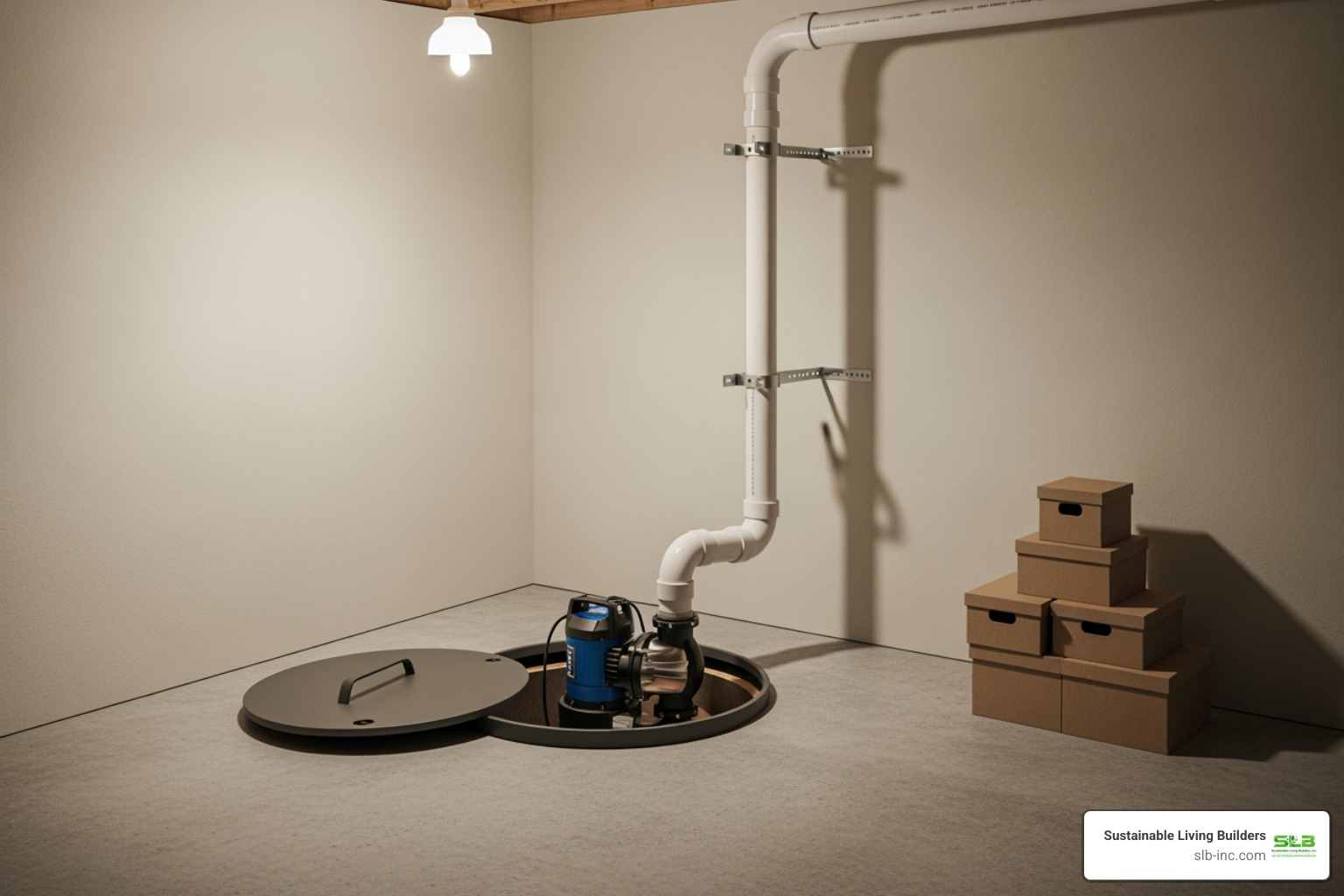
A battery backup system for your sump pump is absolutely essential. Storms that cause flooding often cause power outages, rendering a standard pump useless when you need it most. Also, perform float switch testing every few months by pouring a bucket of water into the pit to ensure it activates correctly.
For homes with chronic water problems, an interior French drain (or drain tile system) offers robust protection. This system uses a perforated pipe in a trench around the interior perimeter of your basement floor, collecting water before it can pool and channeling it to the sump pit. It’s an incredibly effective way to relieve hydrostatic pressure and keep your basement dry.
How to prevent basement flooding with Sewer and Pipe Protection
Sewer backups are a particularly unpleasant flood threat, bringing contaminated water into your home. They can happen when heavy storms overwhelm municipal sewer systems or when your home’s own sewer line is blocked by tree roots or debris.
The best defense against municipal backups is a backwater valve. This one-way gate allows wastewater to flow out but automatically closes to block any backflow from the city sewer.
Proactive sewer line maintenance, including a professional camera inspection every few years, can catch blockages early. If you have a septic system, regular septic tank care (pumping every 3-5 years) is crucial. Preventing clogs by not flushing wipes or pouring grease down the drain also helps protect your pipes.
Protecting your basement requires a holistic approach. Our team at Sustainable Living Builders can help ensure every component of your home is working properly to prevent basement flooding. Our network of roofing contractos near me professional roofing experts can provide comprehensive home care.
Responding to a Flood: Emergency Actions and Recovery
Despite the best prevention, floods can still happen. When water enters your basement, responding quickly and safely is key to minimizing damage. For any storm-related damage, our storm damage roofing repair services can help.
Immediate Steps for a Flooded Basement
Your first priority is safety first. Never wade into standing water if there’s a risk of electrical hazards.
- Shut off electricity and gas: If it’s safe to do so, turn off power and gas to the affected area at your main panel and shut-off valve. Know where these are before an emergency happens.
- Wear protective gear: Use rubber boots, waterproof gloves, and a mask. Floodwater can contain bacteria, sewage, and other hazards.
- Document the damage: Take extensive photos and videos of the water level and all damaged items for your insurance claim.
- Assess the water source: Try to identify where the water is coming from. If it’s a burst pipe, shut off your home’s main water supply immediately.
- Call in professionals: Don’t hesitate to call an electrician, plumber, or water damage restoration company. The faster they arrive, the less damage you’ll have.
The Cleanup Process: Drying and Sanitizing
Once the water source is stopped, the cleanup begins. Mold can grow within 48 hours, so act fast.
First is water removal. A wet-dry vacuum works for minor flooding, but you may need a pump for deeper water. A crucial safety tip: if you have more than a foot of standing water, remove it slowly (no more than one foot per 24 hours) to prevent the walls from collapsing inward due to outside soil pressure.
Next, focus on drying and mold prevention. Open windows and use dehumidifiers and fans to circulate air and lower humidity to between 30% and 60%. You must remove and discard any materials that can’t be dried completely, like wet carpeting, drywall, and insulation, as they will become breeding grounds for mold.
Finally, sanitizing surfaces is essential. Clean all hard surfaces that touched floodwater with a disinfectant to kill mold and bacteria. If you find mold covering more than 10 square feet, call a professional mold abatement specialist.
Preparing for Storms and Understanding Coverage
When a storm is forecast, take proactive steps to prevent basement flooding.
Use temporary flood barriers or sandbags to create dams around vulnerable entry points like basement doors and window wells. Monitor weather alerts to give yourself time to prepare. For more tips, see our preparing your roof for storms- a complete rainy season checklist.
It’s also critical to understand your insurance. Standard homeowners insurance often does not cover damage from external flooding or sewer backups unless you have a specific add-on or a separate policy. Review your policy with your agent now to know what’s covered. Home warranties typically cover appliance failures but not the resulting flood damage.
Frequently Asked Questions About Basement Flood Prevention
We’ve heard many common questions from homeowners about basement flooding. Here are answers to a few of the most frequent ones.
Why does my basement flood only during heavy rain?
This almost always points to an issue with exterior water management. Heavy rain leads to saturated ground, which creates increased hydrostatic pressure against your foundation. At the same time, overwhelmed gutters and poor drainage cause surface water runoff to pool against your house. This combination forces water through any available crack or opening. In some cases, municipal sewer overload can also cause backups.
How far should downspouts extend from the house?
Your downspouts should extend a minimum of 6-10 feet away from your foundation. This is critical for preventing water pooling near foundation. Discharging water right at the base of your house allows it to saturate the soil and seep into your basement. Extending the downspouts directs water to a safe distance where it can disperse into the yard. Using splash blocks or buried pipes can further improve drainage.
What are the first signs of a potential basement water problem?
Your basement will often warn you before a major flood. Look for these early signs:
- Musty or earthy smells: This indicates hidden mold or mildew growth due to high moisture levels.
- Visible mold or mildew: Fuzzy or slimy patches of any color on walls, floors, or stored items.
- Dampness on walls or floors: Dark, cool, or clammy patches on concrete surfaces.
- Peeling paint: Bubbling or blistering paint on basement walls is a sign of moisture pushing through from behind.
- Efflorescence (white, chalky stains): Powdery mineral deposits left behind after water seeps through concrete and evaporates. This is definitive proof that water is moving through your foundation.
If you spot these signs, it’s time to investigate the source to prevent basement flooding before it gets worse.
Conclusion: Secure Your Home with a Proactive Approach
Preventing basement flooding is about building layers of defense. A proactive approach combining exterior management, interior solutions, and emergency preparedness is the key to keeping your home dry and safe.
A dry basement is fundamental to a healthy home environment, protecting your family from mold, preserving your home’s structural integrity, and maintaining its value. Moisture in your foundation can compromise your entire home’s comfort and efficiency.
At Sustainable Living Builders, we see your home as an interconnected system. A solid, dry foundation is the starting point for a truly sustainable and energy-efficient home. We are committed to providing holistic, eco-friendly solutions that improve your home’s performance, reduce energy costs, and minimize your carbon footprint.
Taking these proactive steps means you’re not just reacting to problems—you’re preventing them. For more on how we can improve your home’s efficiency and comfort, please learn more about our insulation services. Let’s work together to create the secure, sustainable home you deserve.