Are Metal Roofs Worth the Extra Cost? Here’s What Homeowners Need to Know
Are metal roofs worth the extra cost? For most homeowners focused on long-term value, the answer is yes — but the full picture depends on how long you plan to stay in your home, your energy goals, and your local climate.
Quick answer: Is a metal roof worth it?
| Factor | Metal Roof | Asphalt Shingles |
|---|---|---|
| Lifespan | 40–80 years | 15–30 years |
| Energy savings | Up to 40% on cooling costs | Minimal |
| Weather resistance | High winds, hail, fire | Moderate |
| Resale value boost | Over $23,000 (2023 data) | Lower |
| Environmental impact | Recyclable, recycled content | Landfill waste |
| Upfront cost | Higher | Lower |
Imagine watching a water stain spread across your ceiling — again. It’s a frustrating reality for homeowners stuck in the cycle of patching and replacing asphalt shingles every 15 to 20 years. A metal roof breaks that cycle entirely.
Metal roofs last two to three times longer than asphalt, reflect solar heat to lower energy bills, and hold up in the extreme weather conditions common across California’s North Bay region. Yes, the upfront investment is higher. But when you spread that cost across 50 or more years — and factor in fewer replacements, lower energy bills, and potential insurance discounts — the math often shifts in metal’s favor.
This guide walks you through everything you need to make a confident, informed decision.
Comparing Longevity: Why the Initial Investment Pays Off
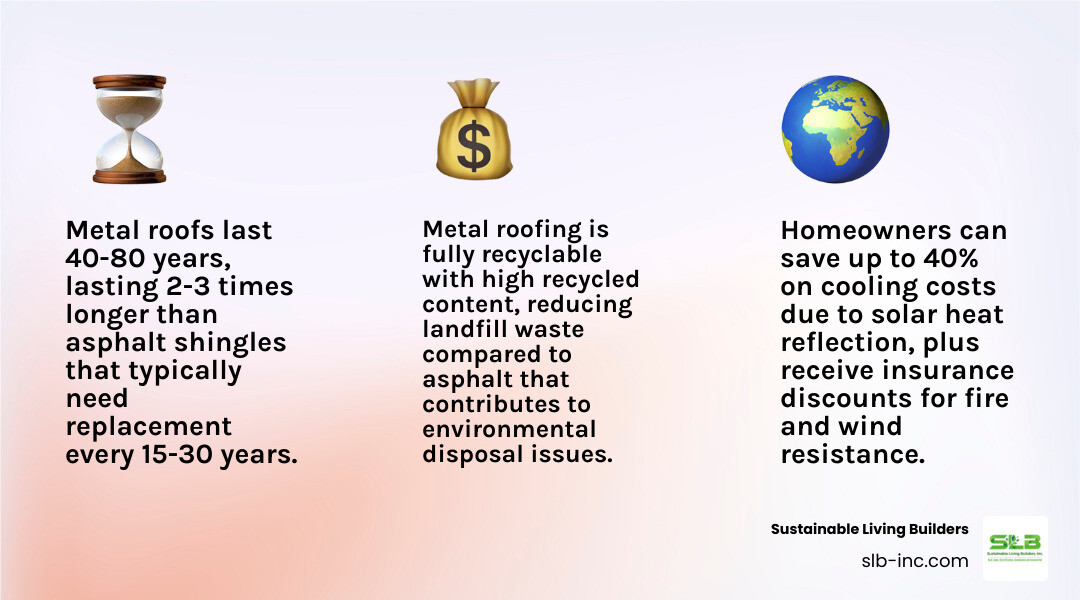
When we talk about whether are metal roofs worth the extra cost, we have to look at the “long game.” Most asphalt roofs in our part of California—from the sunny hills of Sonoma to the foggy reaches of Marin—start to show their age after just 15 to 20 years. By contrast, a high-quality metal roof is often the last roof you’ll ever buy.
The lifespan of metal roofs typically ranges from 40 to 80 years. If you plan to stay in your home for several decades, the math is simple: you would likely have to replace an asphalt roof three times in the same period it takes for one metal roof to reach its retirement age.
When comparing metal roofs vs shingles, the durability factor is unmatched. Asphalt shingles can become brittle, crack, and lose their protective granules under the intense California sun. Metal panels are non-combustible and resistant to rotting, insects, and the heavy rain we see during our atmospheric river events. Sunny, our resident home improvement expert, often tells homeowners that buying a metal roof is like buying a “shield” rather than just a covering.
Are metal roofs worth the extra cost for long-term homeowners?
If you intend to pass your home down to your children or stay through your retirement years, the answer is a resounding yes. Beyond just avoiding the headache of repeated replacements, there is a significant impact on your home equity.
According to 2023 remodeling data, a new metal roof can add over $23,000 to the resale value of a home. Buyers in places like Santa Rosa and Sebastopol are increasingly looking for homes that are “future-proofed.” When a potential buyer sees a standing seam metal roof, they see a home with lower maintenance requirements and a high return on investment (ROI). It provides an immediate boost to curb appeal, moving your home from “standard” to “premium” in the eyes of an appraiser. For more details on how this fits your specific property, check out our guide on Metal Roofing for Your Home.
Energy Efficiency and Environmental Impact in California
In May 2026, as we look at rising utility rates across Napa and Sonoma counties, energy efficiency is no longer a luxury—it’s a necessity. This is one of the primary areas where the “extra cost” of metal begins to pay for itself every single month.
Metal is a highly reflective material. While asphalt shingles act like a thermal sponge—absorbing heat and radiating it down into your attic—metal roofs reflect solar radiant heat back into the atmosphere. During peak summer heat, a metal roof can stay 50 to 60 degrees cooler than traditional materials. This reduces the “heat island effect” around your home and keeps your living spaces significantly more comfortable.
Sustainability is another core pillar of why we recommend this material. Recycled metal roofing is common; most systems contain between 25% and 95% recycled content. At the end of its long life, the entire roof is 100% recyclable, unlike asphalt shingles, which contribute billions of pounds of waste to landfills every year. For those looking for the most durable roofing materials for California’s climate, metal consistently tops the list for its eco-friendly footprint.
How energy savings determine if metal roofs are worth the extra cost
The real magic happens in your HVAC system. Because metal roofs have high emissivity—the ability to release absorbed heat—they prevent your attic from becoming an oven. This means your air conditioner doesn’t have to work nearly as hard.
Research shows that a metal roof can reduce cooling costs by up to 40% depending on the specific finish and insulation used. Over a 30-year period, these savings can total thousands of dollars, effectively bridging the gap between the initial price of metal and cheaper alternatives.
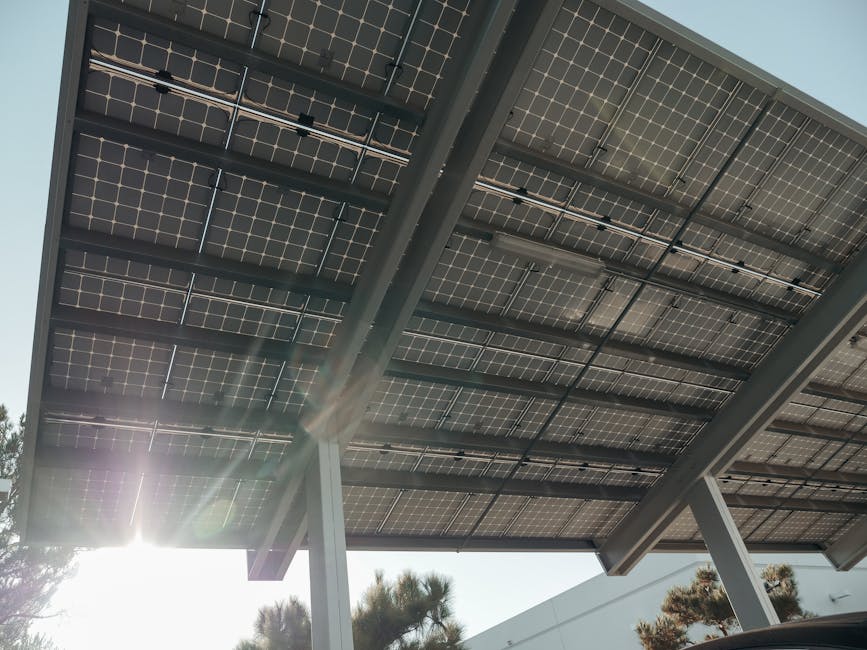
Many steel roof panels come with Energy Star-certified coatings that maximize these savings. When we factor in the potential for solar integration, the value grows even further. Standing seam systems allow solar panels to be clamped directly onto the roof seams, meaning no holes are drilled into your roof deck. This preserves the integrity of your “shield” while turning your home into a mini power plant.
Performance in Extreme Weather and Fire-Prone Areas
In the North Bay, we have to be realistic about our environmental risks. Wildfires, high winds, and occasional hail are part of the landscape. This is where the question of are metal roofs worth the extra cost becomes a matter of safety and peace of mind.
Metal roofs carry a Class A fire rating, the highest possible level of protection. In Wildland Urban Interface (WUI) areas—common in Marin and Sonoma Counties—this is often a critical requirement for building compliance. Metal is non-combustible; even if embers land on your roof, they won’t ignite the structure.
Furthermore, metal roofs are incredibly wind-resistant, with many systems rated to withstand gusts of up to 140 mph. For homeowners in coastal areas like Sausalito or Tiburon, we often recommend an aluminum metal roofing guide because aluminum is naturally resistant to salt-water corrosion, unlike steel which requires specialized coatings.
Don’t forget the insurance angle! Many insurance providers offer discounts for homes with metal roofs, especially those with a Class 4 impact resistance rating. In some cases, these discounts can save homeowners hundreds of dollars per year on premiums, further offsetting the initial investment.
Installation Considerations and Aesthetic Value
The “look” of a metal roof has come a long way from the corrugated tin sheds of the past. Today’s systems are sleek, modern, and highly customizable.
The gold standard for residential applications is the standing seam metal roof. This system features concealed fasteners, meaning the screws are hidden under the panels. This isn’t just for looks; it significantly reduces the chance of leaks over time because there are no exposed holes for water to find.
Whether your home is a mid-century modern Eichler in San Rafael or a rustic farmhouse in Napa, there is a metal style that fits. You can choose from panels that mimic the look of traditional shingles, wood shakes, or even clay tiles, all while maintaining the superior performance of metal. If you’re curious about the process, our how to install metal roofing guide breaks down the precision required for a successful project.
Choosing the right style to ensure metal roofs are worth the extra cost
To get the most value out of your investment, you need to consider aesthetics and local regulations. Some Homeowners Associations (HOAs) have specific rules about reflectivity or color. We always recommend checking these guidelines early in the process.
One technical aspect Sunny likes to point out is “oil canning.” This is a slight waviness that can appear in flat metal panels due to thermal expansion. While it doesn’t affect the roof’s performance, some homeowners find it distracting. To mitigate this, we often suggest using striated panels or choosing a thicker gauge of metal.
Hiring a contractor with specific expertise in metal is non-negotiable. Unlike asphalt, which is relatively forgiving, a standing seam metal roof for your home requires expert cutting, bending, and alignment. A poor installation can lead to leaks or noisy panels, which is why choosing a reputable team is part of ensuring the roof is truly worth its cost.
Frequently Asked Questions about Metal Roofing Value
Are metal roofs noisy during rain?
This is perhaps the most common myth we hear! Many people associate metal roofs with the loud clanging of rain on a barn. However, a residential metal roof is installed over a solid roof deck and high-quality underlayment.
With proper insulation and the existing attic space, a metal roof is no noisier than an asphalt shingle roof. In fact, tests show that the noise level of rain on a modern metal roof is about 52 decibels—barely louder than a normal conversation. Most homeowners find the sound of rain on metal to be a soothing, gentle drumming rather than a loud distraction.
Can you install metal over existing shingles?
While it is technically possible and often allowed by local building codes to install metal over a single layer of shingles, we generally recommend a full tear-off.
Removing the old roof allows us to inspect the roof deck for any hidden rot or damage. It also prevents potential mold buildup that can occur if moisture gets trapped between the old shingles and the new metal panels. Starting with a clean slate ensures your new roof has the best possible foundation for its 50+ year journey.
Do metal roofs attract lightning?
Science says no! Lightning is attracted to the highest point in an area, not the material itself. If your house is the tallest thing around, it has the same chance of being hit whether the roof is wood, slate, or metal.
However, if your home is struck, metal is actually safer. It is an electrical conductor that safely disperses the charge, and because it is non-combustible, it won’t catch fire like wood shingles or asphalt might.
Conclusion
At Sustainable Living Builders, we believe in holistic home upgrades that serve you for a lifetime. When you ask, “are metal roofs worth the extra cost?”, we look at it through the lens of long-term sustainability and peace of mind.
By choosing a standing seam metal roof, you are investing in a system that protects your family from wildfires, slashes your energy bills, and adds significant value to your property. We serve homeowners throughout Santa Rosa, Sebastopol, and the surrounding Napa, Marin, and Sonoma counties with expert guidance and eco-friendly solutions.
If you’re ready to stop the cycle of roof repairs and start investing in your home’s future, our team is here to help you navigate the options and find the perfect fit for your lifestyle.